
Vuosittain ostetaan yli 400 miljoonaa puhelinkuorta, ja useimmat niistä päätyvät pysyväksi muovijätteeksi. Tyyliä ja kestävyyttä arvostaville nuorille ammattilaisille ympäristöystävällisen suojan löytäminen laitteilleen merkitsee enemmän kuin vain henkilökohtaista mukavuutta. Kyse on päivittäisistä valinnoista, jotka vähentävät ympäristöhaittoja ja tukevat kestävämpää tulevaisuutta. Tämä opas paljastaa, kuinka pienet muutokset puhelinkuorten valinnassa ja käytössä voivat johtaa muovisaasteen todelliseen vähenemiseen.
Sisällysluettelo
- Miten puhelinkotelot vaikuttavat muovijätteeseen
- Muovikotelotyypit ja ympäristövaikutukset
- Perinteisten ja ympäristöystävällisten tapausten elinkaari
- Ympäristöystävälliset materiaalit ja innovaatiot
- Käytännön vinkkejä tapausjätteen vähentämiseen
Keskeiset tiedot
| Kohta | Tiedot |
|---|---|
| Puhelinkoteloiden vaikutus muovijätteeseen | Puhelinkotelot lisäävät merkittävästi muovijätettä mikromuovisaasteen ja niiden öljypohjaisten materiaalien aiheuttaman jatkuvan ympäristökuormituksen kautta. |
| Elinkaarivertailu | Perinteiset kotelot noudattavat lineaarista elinkaarta, joka johtaa ympäristöhaittoihin, kun taas ympäristöystävälliset kotelot hyödyntävät kestäviä materiaaleja ja tukevat kierrätystä. |
| Materiaalivalinnoilla on merkitystä | Biohajoavista tai kierrätetyistä materiaaleista valmistettujen koteloiden valitseminen voi vähentää ympäristövaikutuksia ja edistää kestävyyttä. |
| Kestävät käytännöt | Kuluttajat voivat vähentää jätettä valitsemalla laadukkaita ja kestäviä kuoria ja osallistumalla kierrätysohjelmiin pidentääkseen puhelinkuorien käyttöikää. |
Miten puhelinkotelot vaikuttavat muovijätteeseen
Älypuhelinten suojakuorilla on merkittävä rooli maailmanlaajuisessa muovijätekriisissä, ja ne aiheuttavat ympäristöhaasteita materiaalikoostumuksensa ja elinkaarensa kautta. Nykyaikaiset puhelinkuoret, jotka on valmistettu pääasiassa öljypohjaisista muoveista, kuten polykarbonaatista ja silikonista, lisäävät jatkuvasti mikromuovipäästöjä jopa normaalin päivittäisen käytön aikana.
Science Directin tutkimus paljastaa, että puhelinkuoret tuottavat mikromuovia paitsi hävittämisen aikana, myös normaalin käytön seurauksena. Suojaavista matkapuhelinlisävarusteista syntyvä mikromuovi osoittaa, kuinka nämä näennäisesti vaarattomat suojatuotteet levittävät mikroskooppisia muovihiukkasia ympäristöömme. Nämä pienet hiukkaset pääsevät vesistöihin, maaperään ja mahdollisesti ravintoketjuun aiheuttaen pitkäaikaisia ekologisia seurauksia, jotka ulottuvat paljon älypuhelimen käyttöiän pidemmälle.
Puhelinkuorien muovijäteongelma johtuu niiden elinkaaren useista vaiheista. Valmistusprosessit kuluttavat merkittäviä öljyvaroja, mikä tuottaa merkittäviä hiilidioksidipäästöjä. Useimmat perinteiset puhelinkuoret on suunniteltu kertakäyttöisiksi, ja kuluttajat vaihtavat niitä usein tyylimieltymysten tai pienten vaurioiden vuoksi. Tämä jatkuva vaihtosykli kiihdyttää muovijätteen syntymistä, ja miljoonia hylättyjä kuoria päätyy vuosittain kaatopaikoille tai väärin käsiteltyihin jätevirtoihin.
Ympäristövaikutusten ymmärtäminen edellyttää sen tunnustamista, että jokainen muovinen puhelinkotelo on monimutkainen jätehuollon haaste. Perinteisten muovikoteloiden hajoaminen voi kestää satoja vuosia, mikä aiheuttaa pysyviä ympäristörasitteita. Puhelinkoteloiden kompakti koko tekee niistä erityisen ongelmallisia, koska ne usein lipsahtavat kierrätysinfrastruktuurin läpi ja saastuttavat laajempia jätteenkäsittelyjärjestelmiä.
Ammattilaisvinkki: Muovijätteen vähentämisstrategia : Valitse biohajoavista tai kierrätysmateriaaleista valmistettuja puhelinkuoria ja sitoudu käyttämään kutakin kuorta sen koko käyttöiän ajan ennen vaihtamista.
Muovikotelotyypit ja ympäristövaikutukset
Älypuhelinten suojausmaailmaan kuuluu monimutkainen muovimateriaalien maisema, joilla jokaisella on ainutlaatuiset ympäristövaikutuksensa. Kattava kuluttajamuovien analyysi paljastaa useita yleisimpiä puhelinkuorten valmistuksessa käytettyjä muoveja, mukaan lukien polyvinyylikloridi (PVC), polystyreeni (PS), polypropeeni (PP), suurtiheyksinen polyeteeni (HDPE) ja polyeteenitereftalaatti (PET).
Näillä eri muovityypeillä on dramaattisesti erilaisia ympäristöominaisuuksia. Esimerkiksi polyvinyylikloridi aiheuttaa merkittäviä ekologisia haasteita hitaan hajoamisensa ja mahdollisen myrkyllisten kemikaalien liukenemisen vuoksi. Polypropeenikotelot saattavat vaikuttaa kestävämmiltä, mutta ne lisäävät silti merkittävästi mikromuovipäästöjä. Vaikka tiheäpolyeteenistä valmistetut kotelot ovat jonkin verran kierrätettävämpiä, ne säilyvät silti ympäristöjärjestelmissä pitkiä aikoja.
Ympäristöhaasteet johtuvat näiden materiaalien luontaisesta monimutkaisuudesta. Muovin prosessoinnin teollinen ympäristöarviointi osoittaa, että puhelinkuorissa käytettyjen kestomuovien ja kertamuovien kierrätykseen liittyy huomattavia ongelmia. Useimmat puhelinkuoret yhdistävät useita muovityyppejä ja sisältävät lisäkomponentteja, kuten liimoja ja väriaineita, jotka entisestään vaikeuttavat niiden kestävää uudelleenkäsittelyä.
Näiden muovikoteloiden ekologinen jalanjälki ulottuu niiden välittömän hävittämisen ulkopuolelle. Valmistusprosessit vaativat merkittävää energiankulutusta, tuottavat huomattavia hiilidioksidipäästöjä ja niihin liittyy usein neitseellisten öljyvarojen louhintaa. Lisäksi puhelinkoteloiden kompakti koko tekee niistä erityisen ongelmallisia jätteenkäsittelyjärjestelmissä, koska ne usein lipsahtavat kierrätysinfrastruktuurin läpi ja saastuttavat laajempia jätteenkäsittelyvirtoja.
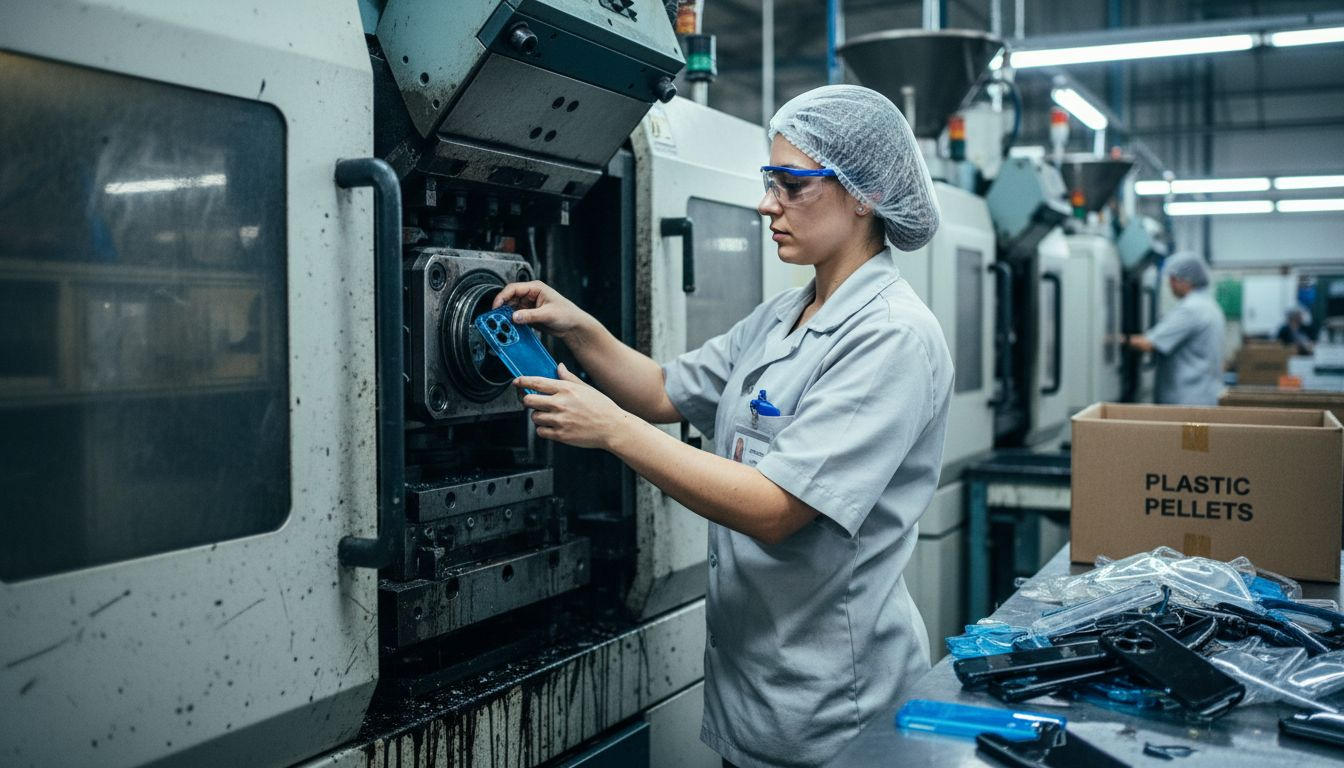
Tässä on yhteenveto tärkeimpien puhelinkuorien muovityyppien ympäristövaikutuksista:
| Muovityyppi | Ympäristön pysyvyys | Kierrätysvaikeus | Merkittäviä riskejä |
|---|---|---|---|
| PVC | Erittäin korkea (vuosisatoja) | Hyvin vaikeaa | Myrkyllisten kemikaalien huuhtoutuminen |
| PS | Vuosikymmeniä hajoamaan | Usein ei kierrätetä | Mikromuovinen saaste |
| PP | Pitkäkestoinen | Kohtalaisen vaikea | Edistää mikromuovien muodostumista |
| HDPE | Jatkuu vuosikymmeniä | Helpommin kierrätettävä | Mahdollinen kaatopaikan saastuminen |
| LEMMIKKI | Voi säilyä vuosikymmeniä | Voidaan kierrättää | Energiaintensiivinen prosessointi |
Ammattilaisvinkki: Materiaalivalintastrategia : Tutki puhelinkuoria, jotka on valmistettu yhdestä polymeeristä ja jotka on helpommin kierrätettävissä, ja priorisoi brändejä, jotka ovat sitoutuneet läpinäkyviin kestävän kehityksen käytäntöihin.
Perinteisten ja ympäristöystävällisten tapausten elinkaari
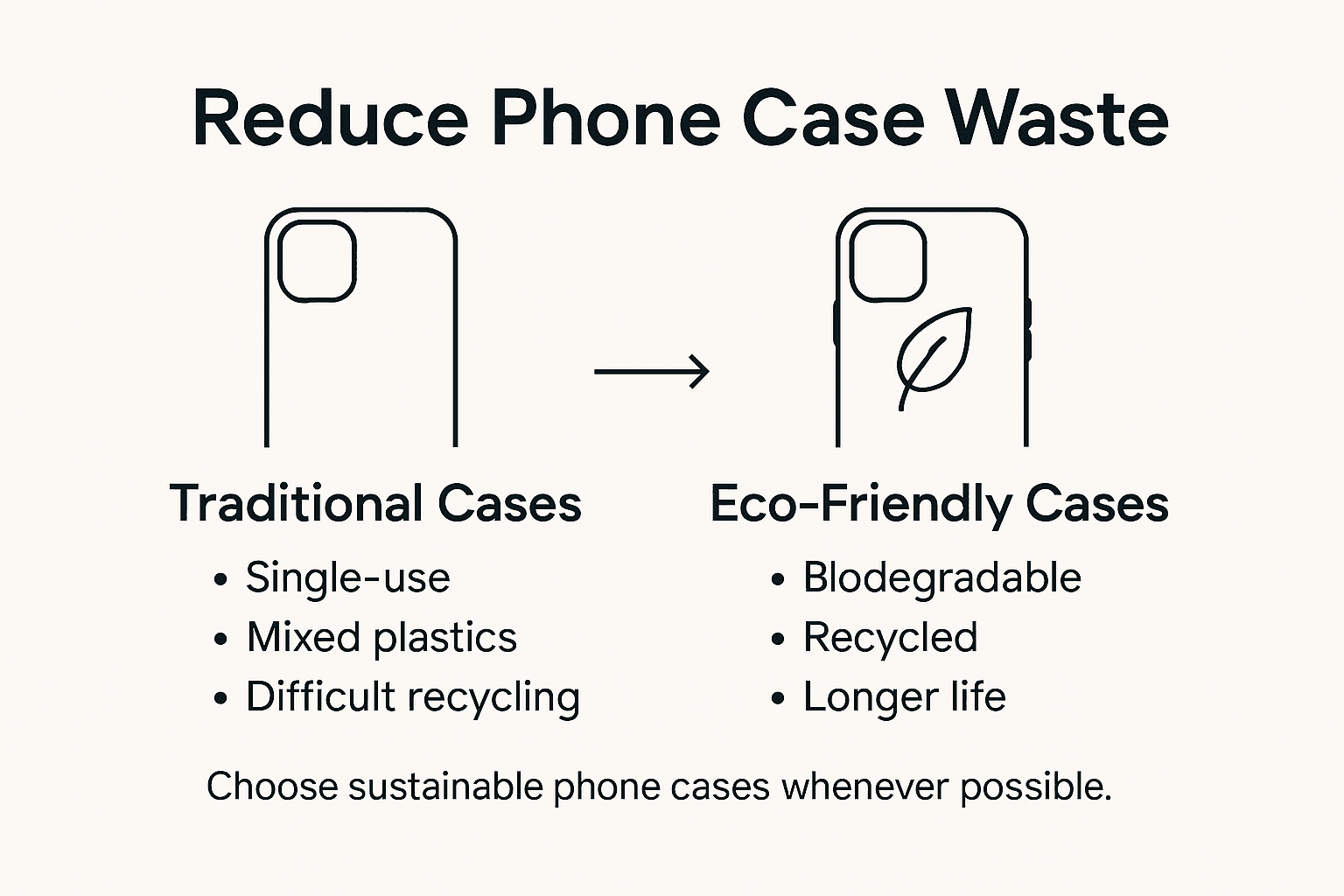
Perinteiset puhelinkotelot edustavat lineaarista elinkaarimallia, joka on kestämättömän tuotesuunnittelun ruumiillistuma. Nämä perinteiset suojatarvikkeet seuraavat tyypillisesti suoraviivaista polkua valmistuksesta hävittämiseen: raakaöljypohjaiset materiaalit uutetaan, jalostetaan muoviksi, muovataan koteloiden muotoon, pakataan, jaellaan, käytetään lyhytaikaisesti ja lopulta hävitetään kaatopaikoilla tai ympäristöjärjestelmissä, joissa ne säilyvät satoja vuosia.
Jyrkässä ristiriidassa kestävän kehityksen tuotemerkkien ympäristöystävälliset puhelinkotelot edustavat kiertotalouden mukaista lähestymistapaa älypuhelinten suojaamiseen. Nämä innovatiiviset kotelot on suunniteltu käyttöiän loppuvaiheen näkökulmasta käyttäen materiaaleja, kuten kasvipohjaisia polymeerejä, kierrätettyjä teollisuusmuoveja tai biohajoavia yhdisteitä, jotka voivat hajota luonnollisesti jättämättä pysyviä ympäristöjäämiä. Ympäristöystävällisten koteloiden valmistajat käyttävät usein palautusohjelmia, joiden avulla kuluttajat voivat palauttaa käytetyt kotelot asianmukaiseen kierrätykseen tai kompostointiin.
Perinteisten ja ympäristöystävällisten koteloiden ympäristövaikutusten ero on huomattava. Perinteiset muovikotelot tuottavat merkittäviä hiilidioksidipäästöjä tuotannon aikana, vaativat neitseellisiä öljyvaroja ja edistävät mikromuovipäästöjä koko elinkaarensa ajan. Ympäristöystävälliset vaihtoehdot vähentävät näitä negatiivisia ympäristövaikutuksia merkittävästi minimoimalla raaka-aineiden louhinnan, käyttämällä alhaisemman lämpötilan valmistusprosesseja ja luomalla tuotteita, joilla on luonnostaan biohajoavuutta tai kierrätettävyyttä.
Kuluttajilla on ratkaiseva rooli puhelinkuorten elinkaaren muuttamisessa tekemällä harkittuja ostopäätöksiä. Uusiutuvista materiaaleista valmistettujen kuorien valitseminen, läpinäkyvien kestävän kehityksen käytäntöjä noudattavien tuotemerkkien tukeminen ja puhelinkuorten asianmukainen hävittäminen tai kierrätys voivat merkittävästi vähentää älypuhelinlisävarusteisiin liittyvää ympäristökuormitusta. Siirtyminen ympäristöystävällisiin kuoriin on enemmän kuin trendi – se on tuotesuunnittelun perustavanlaatuinen uudelleenarviointi, jonka ytimessä on planeetan terveys.
Seuraavassa taulukossa vertaillaan perinteisten ja ympäristöystävällisten puhelinkuorten elinkaareja:
| Elinkaaren vaihe | Perinteiset tapaukset | Ympäristöystävälliset kotelot |
|---|---|---|
| Materiaalien hankinta | Neitsytöljyn louhinta | Biopolymeerit ja kierrätysmateriaalit |
| Valmistuksen vaikutus | Korkeat hiilidioksidipäästöt | Vähentynyt energiankulutus |
| Käyttöaika | Lyhyt, usein vaihdettavissa | Pidempi, suunniteltu kestämään |
| Elämän lopputulos | Kaatopaikka, jatkuva saaste | Kompostointi vai todellinen kierrätys |
Ammattilaisvinkki: Kestävä kuorien valinta : Tutki puhelinkuorimerkkejä, jotka antavat selkeää tietoa materiaalien hankinnasta, valmistusprosesseista ja elinkaaren lopun hävittämisvaihtoehdoista ennen ostopäätöstä.
Ympäristöystävälliset materiaalit ja innovaatiot
Älypuhelinten lisälaiteteollisuus kokee mullistavan materiaalitieteen muutoksen, ja innovatiivisia ympäristöystävällisiä ratkaisuja syntyy jatkuvasti syntyvän muovijäteongelman ratkaisemiseksi. Biomuovit ja kasvipohjaiset polymeerit edustavat kestävän puhelinkuorten kehityksen eturintamaa ja tarjoavat vaihtoehtoja, jotka vähentävät merkittävästi ympäristövaikutuksia ja säilyttävät samalla vankan laitesuojauksen.
Edistykselliset materiaalit, kuten leväpohjaiset polymeerit , hamppukomposiitit ja bambusta johdetut muovit, rikkovat kestävän puhelinkuorten suunnittelun rajoja. Tyylikkäät biohajoavat puhelinkuorten innovaatiot osoittavat, kuinka valmistajat luovat suojaavia lisävarusteita, jotka voivat hajota luonnollisesti jättämättä haitallisia jäämiä. Nämä materiaalit eivät ainoastaan tarjoa perinteisiin öljypohjaisiin muoveihin verrattavaa kestävyyttä, vaan niillä on myös ainutlaatuisia esteettisiä ominaisuuksia, jotka vetoavat ympäristötietoisiin kuluttajiin.
Lupaavimmat ympäristöystävälliset innovaatiot sisältävät kiertotalouden periaatteita ja keskittyvät materiaaleihin, jotka voidaan kierrättää, kompostoida tai uudistaa niiden alkuperäisen käyttökerran jälkeen. Uusiin teknologioihin kuuluvat maatalousjätteestä valmistetut polymeeriseokset, kierrätetyt valtamerimuovit ja bioteknologiset yhdisteet, jotka hajoavat tehokkaammin kuin perinteiset muovit. Joissakin huippuluokan malleissa on nyt modulaarisia komponentteja, jotka voidaan helposti erottaa ja käsitellä uudelleen, mikä pidentää puhelinkuorien materiaalien elinkaarta ja minimoi kokonaisjätteen syntymisen.
Kuluttajien kysyntä vauhdittaa kestävien puhelinkoteloteknologioiden nopeaa kehitystä. Valmistajat investoivat yhä enemmän tutkimukseen ja kehitykseen luodakseen suojakoteloita, jotka tasapainottavat suorituskykyä, tyyliä ja ympäristövastuuta. Biohajoavista kasvipohjaisista materiaaleista kokonaan materiaalien talteenottoon suunniteltuihin koteloihin, älypuhelinlisävarusteiden tulevaisuus on muuttumassa yhä vihreämmäksi ja kiertotaloudellisemmaksi.
Ammattilaisvinkki: Materiaalien innovaatiotutkimus : Seuraa nousevia materiaalitieteen julkaisuja ja kestävän suunnittelun alustoja pysyäksesi ajan tasalla uusimmista läpimurroista ympäristöystävällisissä puhelinkuoriteknologioissa.
Käytännön vinkkejä tapausjätteen vähentämiseen
Älypuhelinkoteloiden jätteen vähentäminen vaatii monitahoisen lähestymistavan, joka yhdistää kuluttajien tietoisuuden, strategisen ostamisen ja vastuullisen hävittämisen. Tietoiset kuluttajat voivat merkittävästi minimoida ympäristövaikutuksensa toteuttamalla kohdennettuja strategioita, jotka ulottuvat perinteisiä kierrätysmenetelmiä pidemmälle ja haastavat olemassa olevia jätteenkäsittelyn paradigmoja.
Kattavat puhelinkoteloiden kierrätysstrategiat paljastavat useita toimivia vaiheita vastuulliseen koteloiden hallintaan. Näihin kuuluvat olemassa olevien koteloiden huolellinen arviointi, sopivien kierrätyskanavien tunnistaminen ja materiaalikohtaisten hävitysvaatimusten ymmärtäminen. Joitakin keskeisiä lähestymistapoja ovat koteloiden erottelu materiaalikoostumuksen mukaan, paikallisten elektroniikkajätteen keräyspisteiden tutkiminen ja osallistuminen valmistajien takaisinotto-ohjelmiin, jotka ovat erikoistuneet koteloiden asianmukaiseen kierrätykseen.
Innovatiivisia kierrätystekniikoita on kehitteillä, jotka muuttavat puhelinkuorijätteen arvokkaiksi resursseiksi. Tutkimukset osoittavat muovipullojen uudelleenkäytön potentiaalin uusiksi puhelinkuorimateriaaleiksi , mikä luo kiertotalouden lähestymistavan, joka ohjaa jätteen pois kaatopaikoilta. Suurtiheyksisestä polyeteenistä (HDPE) valmistetuista muovipulloista voidaan onnistuneesti tehdä suojaavia älypuhelinlisävarusteita, mikä osoittaa, kuinka älykäs materiaalien uudelleenkäyttö voi vähentää merkittävästi ympäristökuormitusta.
Kuluttajat voivat myös minimoida kotelojätteen määrän strategisilla ostopäätöksillä. Valitsemalla korkealaatuisia ja kestäviä koteloita, jotka on valmistettu kestävistä materiaaleista, tukemalla brändejä läpinäkyvillä kierrätysohjelmilla ja sitoutumalla koteloiden pidempiin elinkaareihin, voidaan merkittävästi vähentää kokonaisjätteen syntymistä. Lisäksi modulaaristen kotelomallien tutkiminen, jotka mahdollistavat osien vaihtamisen koko kotelon vaihtamisen sijaan, edustaa innovatiivista lähestymistapaa älypuhelinten lisävarusteiden kestävään kulutukseen.
Ammattilaisvinkki: Jätteen vähentämisstrategia : Tutki ja priorisoi älypuhelinkoteloiden tuotemerkkejä, jotka tarjoavat kattavia kierrätysohjelmia, materiaalien läpinäkyvyyttä ja osoittavat aitoa sitoutumista kestävään tuotesuunnitteluun.
Suojaa puhelimesi ja planeettamme ympäristöystävällisillä suojakuorilla
Artikkeli korostaa perinteisten puhelinkuorien aiheuttaman muovijätteen kiireellistä haastetta ja niiden aiheuttamia pitkäaikaisia ympäristöhaittoja mikromuovisaasteen ja vaikeiden kierrätysprosessien kautta. Haluat puhelinkuoren, joka ei ainoastaan suojaa laitettasi, vaan myös tukee kestäviä käytäntöjä, kuten biohajoavia materiaaleja ja kiertotalouden periaatteita. Ympäristöystävällisen, kasvipohjaisista polymeereistä tai kierrätysmateriaaleista valmistetun puhelinkuoren valitseminen on tehokas tapa vähentää muovisaastetta ja tukea puhtaampaa planeettaa.
Tutustu ensiluokkaisten ja kestävien puhelinkuorien kokoelmaamme, jotka on suunniteltu tyylikkääseen suojaan ja ympäristövastuullisuuteen. Käytitpä sitten uusimpia iPhone 15 Pro Max - , iPhone 15 Pro - tai iPhone 15 Plus -kuoria , Tallpine Cases tarjoaa ainutlaatuisia kompostoitavia painatusvaihtoehtoja, jotka on valmistettu uusiutuvista luonnonvaroista.
Tee valinta pidentääksesi puhelinkotelosi käyttöikää ja vähentääksesi samalla muovijätettä jo tänään. Käy osoitteessa Tallpinecases.com löytääksesi täydellisen ympäristöystävällisen kotelosi nyt ja hyödynnä ajankohtaiset tarjouksemme, kuten Black Friday -alennukset ja ilmaiset toimitukset. Suojaa puhelimesi tarkoituksenmukaisesti ja liity yhteisöön, joka välittää maapallosta joka kerta, kun päivität kotelosi.
Usein kysytyt kysymykset
Mitkä ovat perinteisten puhelinkuorien ympäristövaikutukset?
Perinteiset puhelinkotelot, jotka on tyypillisesti valmistettu öljypohjaisista muoveista, aiheuttavat merkittäviä ympäristöongelmia, kuten mikromuovisaastetta, merkittäviä hiilidioksidipäästöjä valmistuksen aikana ja pitkittynyttä säilymistä kaatopaikoilla, joiden hajoaminen kestää satoja vuosia.
Miten voin vähentää puhelinkuorien muovijätettä?
Voit vähentää muovijätettä valitsemalla biohajoavista tai kierrätysmateriaaleista valmistettuja puhelinkuoria, käyttämällä koteloita koko niiden käyttöiän ajan ja osallistumalla valmistajien palautusohjelmiin vanhojen koteloiden asianmukaiseen kierrätykseen tai kompostointiin.
Millaisia materiaaleja käytetään ympäristöystävällisissä puhelinkuorissa?
Ympäristöystävälliset puhelinkotelot valmistetaan usein kestävistä materiaaleista, kuten biomuoveista, kasvipohjaisista polymeereistä, leväpohjaisista materiaaleista ja kierrätetyistä muoveista, jotka on suunniteltu hajoamaan luonnollisesti tai kierrätettäväksi asianmukaisesti jättämättä haitallisia jäämiä.
Miten ympäristöystävällisten puhelinkoteloiden elinkaari eroaa perinteisten koteloiden elinkaaresta?
Ympäristöystävälliset puhelinkuoret noudattavat kiertotalousmallia, jossa keskitytään kestäviin materiaaleihin ja elinkaaren lopun huomioon ottamiseen. Perinteiset kuoret puolestaan noudattavat tyypillisesti lineaarista elinkaarta, mikä johtaa merkittäviin jäte- ja ympäristövaikutuksiin.