
Useimmat kuluttajat vaihtavat puhelimensa noin kahden vuoden välein, mutta harvat miettivät, minne vanhat kuoret päätyvät. Kun miljardeja muovikoteloita päätyy kaatopaikoille vuosittain, pienillä valinnoilla on suuri vaikutus ympäristöön. Kompostoitavat puhelinkotelot tarjoavat käytännöllisen tavan vähentää jätettä ja edistää ympäristöystävällisiä tapoja. Tutustu siihen, miten nämä vaihtoehdot voivat suojata laitettasi ja samalla auttaa ratkaisemaan muovisaasteongelmaa Yhdysvalloissa ja muualla.
Sisällysluettelo
- Kompostoitavat puhelinkotelot selitettynä yksinkertaisesti
- Kasvipohjaiset materiaalit verrattuna perinteisiin muoveihin
- Ympäristöhyödyt ja jätteen vähentämisen vaikutus
- Kestävyys, tyyli ja päivittäinen suorituskyky
- Kompostoivien ja kierrätettyjen puhelinkoteloiden vertailu
Keskeiset tiedot
| Kohta | Tiedot |
|---|---|
| Kestävän kehityksen painopiste | Kompostoitavat puhelinkotelot on valmistettu kasvipohjaisista muoveista, jotka hajoavat luonnollisesti ja vähentävät pitkäaikaisia ympäristövaikutuksia. |
| Ympäristökompromisseja | Kasvipohjaisten materiaalien tuotanto voi kuluttaa merkittävästi energiaa ja saattaa aiheuttaa ympäristösaasteita, mikä korostaa perusteellisen arvioinnin tarvetta. |
| Jätteen vähentämispotentiaali | Kompostoitavat kotelot auttavat merkittävästi vähentämään elektroniikkalaiteromutteita, sillä ne hajoavat asianmukaisissa kompostointiolosuhteissa kuukausien kuluessa. |
| Mekaaninen suorituskyky ja estetiikka | Nykyaikaiset kompostoituvat kotelot ovat kestävyydeltään yhtä hyviä kuin perinteiset muovit, ja tarjoavat samalla monipuolisia malleja tyylistä tinkimättä. |
Kompostoitavat puhelinkotelot selitettynä yksinkertaisesti
Kompostoitavat puhelinkotelot edustavat innovatiivista lähestymistapaa mobiililaitteiden suojaamiseen, jossa ympäristön kestävyys on etusijalla. Nämä huippuluokan lisävarusteet on valmistettu kasvipohjaisista muoveista , jotka eroavat perustavanlaatuisesti perinteisistä öljypohjaisista materiaaleista. Toisin kuin perinteiset muovikotelot, jotka voivat säilyä kaatopaikoilla satoja vuosia, kompostoituvat vaihtoehdot hajoavat luonnollisesti, mikä minimoi pitkäaikaiset ympäristövaikutukset.
Kompostoivien puhelinkoteloiden ydinosaamiseen kuuluu orgaanisesta aineesta, kuten maatalouden sivutuotteista, viljelykasveista ja uusiutuvista kasviresursseista, peräisin olevien biomassamateriaalien käyttö. Nämä materiaalit käsitellään huolellisesti kestävien polymeerien luomiseksi, jotka tarjoavat vankan suojan mobiililaitteellesi säilyttäen samalla ekologisen eheyden. Valmistusprosessi pienentää merkittävästi hiilijalanjälkeä perinteiseen muovituotantoon verrattuna, mikä tekee näistä koteloista houkuttelevan vaihtoehdon ympäristötietoisille kuluttajille, jotka kieltäytyvät tinkimästä laitteen suojauksesta.
Kompostoivien puhelinkoteloiden keskeisiin ominaisuuksiin kuuluu niiden kyky hajota kokonaan tietyissä kompostointiolosuhteissa, tyypillisesti 6–12 kuukauden kuluessa teollisissa kompostointilaitoksissa. Ne tarjoavat verrattavissa olevaa kestävyyttä perinteisiin muovikoteloihin, ja niillä on lisäetuna myrkyttömyytenä ja haitallisten kemikaalien, kuten BPA:n ja ftalaattien, vapaudena. Nykyaikaisia kompostoitavia koteloita on saatavilla erilaisissa malleissa ja väreissä, mikä osoittaa, että kestävät valinnat eivät välttämättä vaadi tyylin tai toiminnallisuuden uhraamista.
Vinkki : Tutki paikallisia kompostointilaitoksia ennen kompostoitavan puhelinkotelon hävittämistä varmistaaksesi asianmukaisen hajoamisen ja maksimoidaksesi ympäristöhyödyt.
Valitsemalla kompostoitavan Neptune Blue -värisen iPhone-kotelon kuluttajat voivat merkittävästi vähentää muovijätettä ja samalla suojata arvokkaita mobiililaitteitaan.
Kasvipohjaiset materiaalit verrattuna perinteisiin muoveihin
Kasvipohjaisten materiaalien ja perinteisten muovien välinen keskustelu on monimutkainen, ja sen vivahteikkaat ympäristövaikutukset ulottuvat paljon yksinkertaisia kestävyysoletuksia pidemmälle. Pittsburghin yliopiston tuore tutkimus kyseenalaistaa perinteisen käsityksen, jonka mukaan biopolymeerit ovat automaattisesti ympäristöystävällisempiä, ja paljastaa monimutkaisemman ympäristömaiseman. Vaikka biopolymeerit tarjoavat lupaavia ominaisuuksia, kuten uusiutuvan energian ja mahdollisen biohajoavuuden, niiden tuotantoprosessi voi kuluttaa huomattavasti energiaa ja mahdollisesti aiheuttaa ympäristösaasteita lannoitteiden ja torjunta-aineiden käytön kautta.
Perinteisiä öljypohjaisia muoveja on pitkään kritisoitu niiden uusiutumattomista lähteistä ja hitaasta hajoamisnopeudesta. Kasvipohjaisilla vaihtoehdoilla on kuitenkin omat ympäristöongelmansa. Biomuoveja tutkineet toksikologiset tutkimukset ovat paljastaneet mahdollisia terveysongelmia ja osoittaneet, että jotkut biomuovinäytteet voivat aiheuttaa lähtötason myrkyllisyyttä ja oksidatiivista stressiä. Tämä tutkimus korostaa kattavan arvioinnin merkitystä pintatason kestävyysväitteiden lisäksi.
Molempien materiaalityyppien valmistusprosessiin liittyy merkittäviä ympäristökompromisseja. Perinteiset muovit ovat riippuvaisia fossiilisten polttoaineiden louhinnasta, kun taas kasvipohjaiset materiaalit vaativat maatalousresursseja, jotka voisivat kilpailla elintarviketuotannon kanssa. Kunkin materiaalityypin hiilijalanjälki, vedenkulutus ja kokonaisekologinen vaikutus on arvioitava huolellisesti. Sekä öljypohjaisten että kasviperäisten muovien innovaatioita syntyy jatkuvasti, ja tutkijat etsivät kestävämpiä tuotantomenetelmiä ja parempaa ympäristösuorituskykyä.
Vinkki : Pyri läpinäkyviin valmistustietoihin valitessasi kestäviä materiaaleja ja katso markkinointiväitteiden ulkopuolelle ymmärtääksesi tuotteen koko ympäristöllisen elinkaaren.
Kompostoivista, sinivihreänvärisistä iPhone-koteloista kiinnostuneet kuluttajat voivat edistää vastuullista kulutusta ymmärtämällä nämä vivahteikkaat ympäristönäkökohdat.
Kasvipohjaisten ja perinteisten muovien tärkeimmät erot on selvennetty alla olevasta yhteenvedosta:
| Aspect | Kasvipohjaiset muovit | Perinteiset muovit |
|---|---|---|
| Raaka-aineet | Viljat, biomassa, uusiutuvat lähteet | Öljy, uusiutumattomat luonnonvarat |
| Biohajoavuus | Voidaan kompostoida, vaihtelee tyypin mukaan | Säilyy ympäristössä vuosisatoja |
| Energiankulutus | Saattaa vaatia merkittävästi energiaa | Korkea fossiilisten polttoaineiden louhinnasta |
| Ympäristöriskit | Lannoitteiden ja torjunta-aineiden käyttö mahdollista | Öljyvuodot, kasvihuonekaasupäästöt |
| Terveysongelmat | Joissakin tapauksissa on havaittu myrkyllisyyspotentiaalia | Voi huuhdella haitallisia kemikaaleja |
Ympäristöhyödyt ja jätteen vähentämisen vaikutus
Kompostoitavien puhelinkoteloiden avulla tapahtuva jätteen vähentäminen on kriittinen strategia maailmanlaajuisen muovisaastekriisin ratkaisemisessa. Minnesotan yliopiston tutkimus paljastaa, että biomuovien ympäristöhyödyt eivät ole yhdenmukaisia, mikä kyseenalaistaa yksinkertaistetut oletukset kestävistä materiaaleista. Vaikka kompostoitavien tuotteiden taustalla oleva tarkoitus on jalo, todellinen ekologinen vaikutus riippuu monimutkaisista valmistusprosesseista ja käyttöiän lopun hävittämismekanismeista.
Jätteen vähentämisen potentiaali ulottuu pelkän biohajoavien tuotteiden luomisen ulkopuolelle. Kompostoituvat puhelinkotelot voivat merkittävästi vähentää kaatopaikoille tyypillisesti kertyvän elektroniikkalaiteromun määrää. Perinteisten muovisten puhelinkoteloiden hajoaminen voi kestää satoja vuosia, kun taas kompostoituvat vaihtoehdot hajoavat kuukausissa asianmukaisissa kompostointiolosuhteissa. Kattavat tutkimukset luonnonpolymeeripohjaisista pakkauksista osoittavat, että strategisesti suunnitellut biomateriaalit voivat tarjota merkittäviä ympäristöetuja vähentämällä pitkäaikaista jätteen kertymistä ja minimoimalla hiilijalanjäljen.
Kompostoivien puhelinkoteloiden ympäristöhyötyihin kuuluvat pienempi riippuvuus öljystä, pienemmät hiilidioksidipäästöt tuotannon aikana ja kyky palauttaa materiaaleja luonnolliseen ekosysteemiin aiheuttamatta pysyviä ympäristövahinkoja. Toisin kuin perinteiset muovit, nämä kotelot valmistetaan tyypillisesti uusiutuvista luonnonvaroista, kuten maatalouden sivutuotteista, maissitärkkelyksestä ja kasvipohjaisista polymeereistä. Tämä lähestymistapa ei ainoastaan vähennä riippuvuutta fossiilisista polttoaineista, vaan tukee myös kiertotaloutta, jossa tuotteiden elinkaaret otetaan huolellisesti huomioon ja minimoidaan.
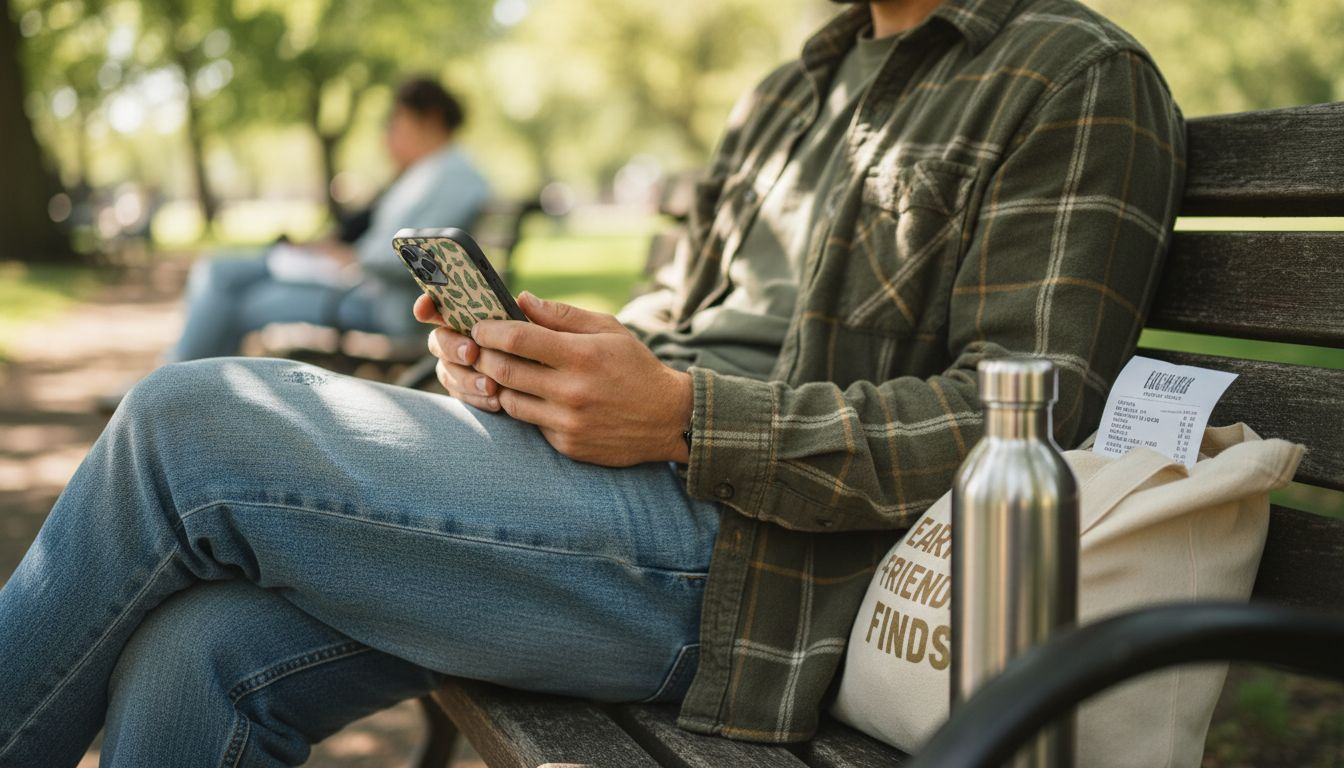
Vinkki : Tutki paikallisia teollisia kompostointilaitoksia ennen kompostoituvan puhelinkotelon hävittämistä varmistaaksesi, että se hajoaa tehokkaasti ja edistää merkittävästi jätteen vähentämistä.
Kuluttajat voivat ottaa merkittävän askeleen kohti kestävää kehitystä valitsemalla kompostoituvia punaisia iPhone-koteloita , jotka ovat ympäristöystävällisten käytäntöjen mukaisia.
Kestävyys, tyyli ja päivittäinen suorituskyky
Kompostoivien puhelinkoteloiden mekaaninen suorituskyky on kehittynyt dramaattisesti, mikä on kyseenalaistanut aiemmat väärinkäsitykset kestävistä materiaaleista. Selluloosabio-nanokomposiitteja koskeva tuore tutkimus osoittaa, että biohajoavat materiaalit voivat nyt vastata perinteisten öljypohjaisten muovien mekaaniseen jäykkyyteen ja kestävyyteen. Tämä läpimurto vastaa kriittiseen huolenaiheeseen kuluttajissa, jotka ovat huolissaan suojauksen vaarantamisesta valitessaan ympäristöystävällisiä lisävarusteita.
Edistykselliset biokomposiittiteknologiat ovat parantaneet merkittävästi kestävien puhelinkuorimateriaalien lämmönkestävyyttä ja mekaanisia ominaisuuksia. Nykyaikaiset kompostoituvat kuoret sisältävät hienostuneita hybridimateriaaleja, kuten polyhydroksialkanoaattia yhdistettynä grafeeniin ja hiilinanokuituihin, mikä varmistaa vankan suojan päivittäistä kulumista vastaan. Näiden innovatiivisten suunnittelumenetelmien ansiosta käyttäjien ei enää tarvitse valita ympäristövastuun ja laitteen suojauksen välillä.
Tyyli on edelleen ensiarvoisen tärkeää puhelinkuorten kuluttajille. Kompostoitavat kotelot tarjoavat nykyään laajan valikoiman värejä, tekstuureja ja muotoiluvaihtoehtoja, jotka kilpailevat perinteisten muovikoteloiden kanssa. Valmistajat ovat ymmärtäneet, että kestävä kehitys ei voi tapahtua henkilökohtaisen ilmaisun kustannuksella, ja kehittäneet valmistustekniikoita, jotka mahdollistavat monimutkaiset kuviot, eloisat värit ja tyylikkäät profiilit. Tuloksena on tuote, joka näyttää ja tuntuu ensiluokkaiselta säilyttäen samalla ympäristöystävällisyytensä.
Vinkki : Tarkista kompostoituva puhelinkotelo säännöllisesti kulumisen merkkien varalta, sillä luonnonmateriaaleilla voi olla hieman erilaiset kestävyysominaisuudet kuin synteettisillä vaihtoehdoilla.
Tyylin ja kestävyyden yhdistämisestä kiinnostuneet kuluttajat voivat tutustua kompostoituviin iPhone-koteloihin Neptune Blue -värissä, jotka tarjoavat sekä poikkeuksellista suojaa että ympäristötietoisuutta.
Kompostoivien ja kierrätettyjen puhelinkoteloiden vertailu
Matkapuhelinlisävarusteiden ympäristömaisema on muuttunut, ja kuluttajille on tarjolla kaksi lupaavaa kestävää vaihtoehtoa: kompostoituvat ja kierrätetyt puhelinkotelot. Sopeutuvien materiaaliteknologioiden tutkimus korostaa kierrätettyjen muovien innovatiivista potentiaalia ja osoittaa niiden kyvyn luoda kestäviä ja joustavia rakenteita, jotka haastavat perinteiset valmistusoletukset.
Kierrätysprosessit eroavat perustavanlaatuisesti kompostoitavista materiaaleista. Kierrätetyissä puhelinkuorissa käytetään tyypillisesti olemassa olevan muovijätteen muuntamista uusiksi tuotteiksi, mikä vaatii merkittävästi energiaa eikä välttämättä poista kokonaan alkuperäisen materiaalin ympäristövaikutuksia. Uusiutuvan polyeteenin teknologiat tarjoavat sitä vastoin mielenkiintoisen kompromissin, sillä ne tuottavat materiaaleja, jotka ovat kemiallisesti identtisiä perinteisten muovien kanssa, mutta jotka on johdettu uusiutuvista luonnonvaroista, kuten sokeriruokosta. Nämä materiaalit voidaan integroida olemassa oleviin kierrätysvirtoihin.
Kompostoitavat puhelinkotelot edustavat kokonaisvaltaisempaa lähestymistapaa kestävään kehitykseen, ja ne on suunniteltu hajoamaan kokonaan teollisissa kompostointilaitoksissa. Nämä kotelot on valmistettu orgaanisista materiaaleista, jotka voivat palata luonnolliseen ekosysteemiin jättämättä jälkeensä pysyviä mikromuoveja tai kemikaalijäämiä. Kierrätetyt kotelot, vaikka ne ovatkin arvokkaita jätteen vähentämisessä, perustuvat usein edelleen öljypohjaisiin polymeereihin, jotka säilyttävät ydinkemiallisen rakenteensa ja mahdollisesti jatkavat pitkäaikaista ympäristökestävyyttä.
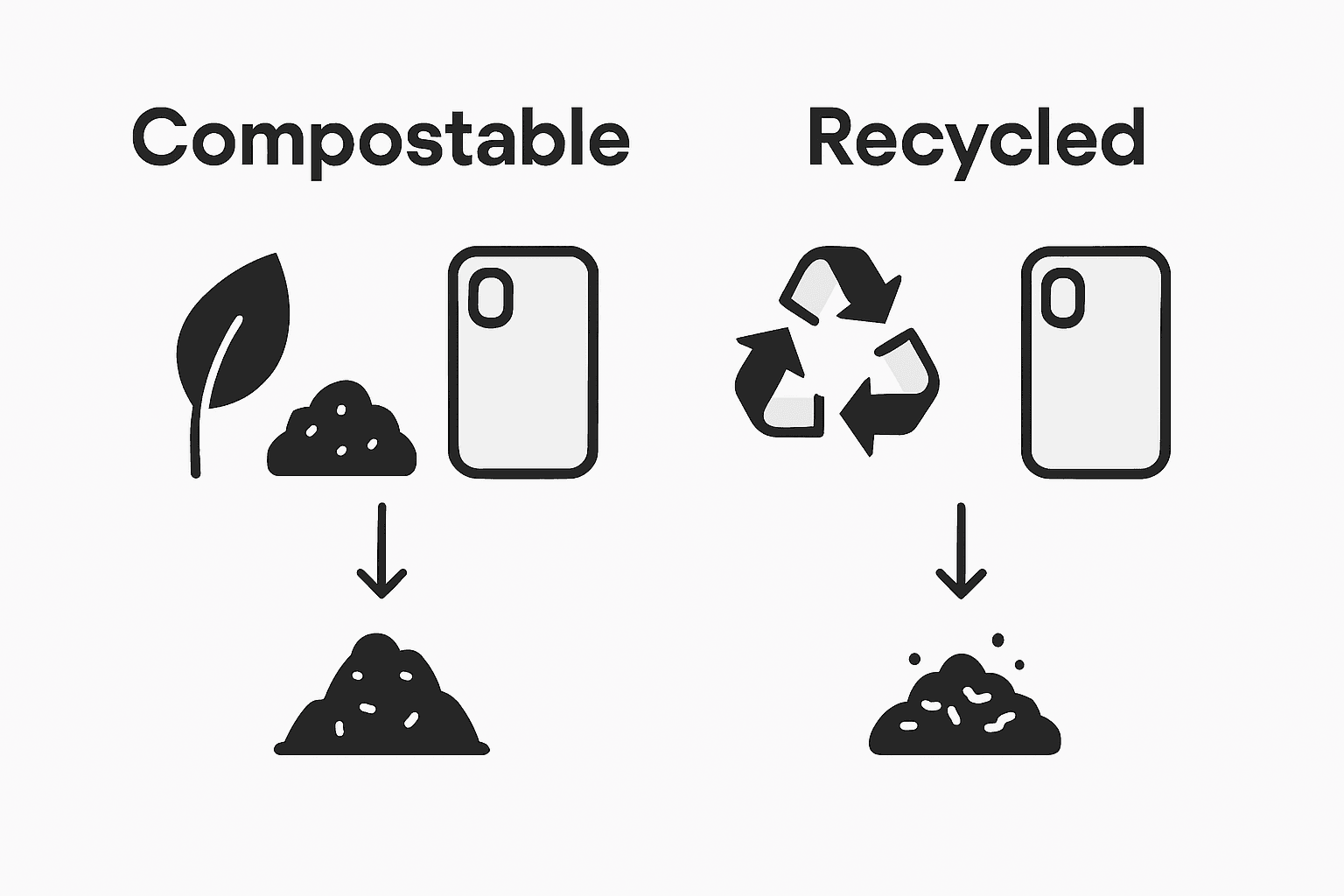
Vinkki : Kun valitset kierrätettyjen ja kompostoitavien puhelinkuorten välillä, ota huomioon paikallinen jätehuoltoinfrastruktuuri ja se, kumpi vaihtoehto sopii parhaiten yhteisösi ympäristönsuojelullisiin mahdollisuuksiin.
Tasapainoista lähestymistapaa kestävään kehitykseen etsivät kuluttajat voivat tutustua kompostoitaviin iPhone-koteloihin Forest Green -värissä , jotka tarjoavat sekä tyyliä että ekologista vastuullisuutta.
Tässä on nopea vertailu kompostoitavista ja kierrätetyistä puhelinkoteloista ympäristötietoisille ostajille:
| Kriteerit | Kompostoitavat puhelinkotelot | Kierrätetyt puhelinkotelot |
|---|---|---|
| Elämän lopputulos | Hajoaa luonnollisiin alkuaineisiin | Jatkuu kierrätettävänä muovina |
| Pääasialliset syöttömateriaalit | Kasvipohjaiset polymeerit ja tärkkelykset | Käytettyjä muoveja jätevirroista |
| Sopiva hävittäminen | Teollinen kompostointilaitos | Jätteiden kierrätys katujen varsilla, jos saatavilla |
| Mahdollisia mikromuoveja | Hyvin alhainen, hajoaa täysin | Saattaa silti irrottaa mikromuovia |
Valitse kompostoituvat puhelinkotelot, jotka suojaavat laitettasi ja planeettaa
Oletko huolissasi muovijätteen pitkäaikaisista ympäristövaikutuksista, mutta haluat silti kestävän ja tyylikkään puhelinkotelon? Kompostoitavat puhelinkotelot tarjoavat tehokkaan ratkaisun muovisaasteen vähentämiseen ja samalla kestävän suojan laitteelle. Kasvipohjaisista materiaaleista valmistetut kompostoitavat kotelot tarjoavat luotettavan suojan laitteelle. Toisin kuin perinteiset muovikotelot, nämä innovatiiviset vaihtoehdot hajoavat luonnollisesti teollisissa kompostointilaitoksissa, mikä auttaa sinua osaltasi vähentämään jätettä ja tekemään planeetasta terveemmän.
Tutustu laajaan valikoimaan ympäristöystävällisiä vaihtoehtoja biohajoavassa puhelinkotelossamme | Puhelinkotelokokoelma – Tallpine Cases , jossa kestävä kehitys kohtaa muotoilun. Huolella ja hiilidioksidipäästöjen kompensointia tukevilla koteloillamme varmistamme, että sinun ei tarvitse tinkiä tyylistä tai suorituskyvystä arvojesi vuoksi. Käy osoitteessa Tallpinecases.com nyt ja hyödynnä jatkuvia tarjouksiamme tehdäksesi ympäristötietoisen valintasi jo tänään. Suojaa puhelintasi ja ympäristöä samanaikaisesti.
Usein kysytyt kysymykset
Mitä ovat kompostoituvat puhelinkotelot?
Kompostoituvat puhelinkotelot ovat kasvipohjaisista materiaaleista valmistettuja asusteita, jotka voivat hajota luonnollisesti kompostointiympäristössä, mikä minimoi ympäristövaikutukset perinteisiin muovikoteloihin verrattuna.
Kuinka kauan kompostoitavien puhelinkuorien maatuminen kestää?
Kompostoituvat puhelinkotelot voivat tyypillisesti hajota kokonaan 6–12 kuukauden kuluessa, kun ne hävitetään teollisissa kompostointilaitoksissa, käytetyistä materiaaleista ja kompostointiolosuhteista riippuen.
Ovatko kompostoituvat puhelinkotelot yhtä kestäviä kuin perinteiset muovikotelot?
Kyllä, nykyaikaiset kompostoituvat puhelinkotelot on suunniteltu tarjoamaan verrattavissa olevaa kestävyyttä ja suojaa perinteisiin muovikoteloihin edistyneiden biokomposiittitekniikoiden ansiosta, jotka parantavat niiden mekaanisia ominaisuuksia.
Miten kompostoituvat puhelinkotelot vertautuvat kierrätettyihin puhelinkoteloihin?
Kompostoituvat puhelinkotelot on suunniteltu hajoamaan kokonaan ja palaamaan luonnolliseen ekosysteemiin, kun taas kierrätetyt puhelinkotelot on valmistettu olemassa olevasta muovijätteestä, mutta ne voivat silti sisältää öljypohjaisia materiaaleja, jotka säilyvät ympäristössä.
Suositeltu
- Kompostoitava iPhone-kotelo - Punainen – Tallpine-kotelot
- Kompostoitava iPhone-kotelo - Neptunuksen sininen – Tallpine-kotelot
- Kompostoitava iPhone-kotelo - Sinivihreä – Tallpine-kotelot
- Kestävät naistenvaatteet: Kaikki mitä sinun tarvitsee tietää – Be Juliet
- Vaihtoehtoinen verpakkingsmaterialen voor elke branche – Kadopapier.net