
Lähes 300 miljoonaa muovista puhelinkoteloa myydään maailmanlaajuisesti joka vuosi, mikä tekee niistä yleisen asusteen jokaisessa kodissa. Koska niin monet ihmiset luottavat näihin koteloihin pudotussuojana, harvat ymmärtävät, miten niiden kemiallinen koostumus vaikuttaa sekä ympäristöön että henkilökohtaiseen terveyteen. Ota selvää, mitä näiden jokapäiväisten suojusten valmistukseen käytetään ja miksi oikean materiaalin valinnalla voi olla pysyvä vaikutus laitteeseesi, lompakkoosi ja planeetallesi.
Sisällysluettelo
- Mistä muoviset puhelinkotelot on tehty
- Muovikotelot ja ympäristön saastuminen
- Muovikoteloiden mahdolliset terveysriskit
- Kestävyysongelmat ja kuluttajakustannukset
- Ympäristöystävälliset vaihtoehdot muovikoteloille
Keskeiset tiedot
| Kohta | Tiedot |
|---|---|
| Materiaalikoostumus | Muoviset puhelinkotelot on valmistettu pääasiassa polykarbonaatista ja TPU:sta, mikä tarjoaa kestävyyttä, mutta aiheuttaa merkittäviä ympäristöhaasteita niiden biohajoamattomuuden vuoksi. |
| Ympäristövaikutus | Muovikoteloiden tuotanto ja hävittäminen lisäävät saasteita ja mikromuovin muodostumista, mikä edellyttää siirtymistä ympäristöystävällisiin vaihtoehtoihin. |
| Terveysriskit | Monet muovikotelot sisältävät haitallisia kemikaaleja, kuten BPA:ta ja ftalaatteja, jotka voivat liueta ja aiheuttaa terveysriskejä ihokosketuksen kautta. |
| Kestävät vaihtoehdot | Biohajoaviin tai kierrätettäviin puhelinkoteloihin investoiminen voi lieventää ympäristövaikutuksia samalla pidentäen laitteen suojausta ja vähentäen kuluttajien kuluja. |
Mistä muoviset puhelinkotelot on tehty
Muoviset puhelinkotelot edustavat monimutkaista synteettisten materiaalien ekosysteemiä, jotka on suunniteltu kestäviksi ja suojaaviksi. Matkapuhelinkotelot valmistetaan tyypillisesti polykarbonaatin (PC) ja akryylinitriilibutadieenistyreenin (ABS) sekoituksesta , mikä luo kestävän muovikomposiitin, joka tarjoaa merkittävän iskunkestävyyden.
Valmistusmaailmaan kuuluu useita päämateriaaliluokkia, joilla jokaisella on omat suorituskykyominaisuutensa. Yleisiä puhelinkuorten materiaaleja ovat termoplastinen polyuretaani (TPU), polykarbonaatti, silikoni ja hybridikomposiitit . Nämä synteettiset polymeerit valitaan tiettyjen ominaisuuksien, kuten joustavuuden, iskunvaimennuksen, painon ja esteettisen vetovoiman, perusteella.
Kemiallisen koostumuksen ymmärtäminen paljastaa, miksi muoviset puhelinkotelot aiheuttavat merkittäviä ympäristöhaasteita. Päämateriaalit – PC/ABS-sekoitukset ja TPU – ovat öljypohjaisia synteettisiä polymeerejä, jotka eivät hajoa biologisesti. Hävitettyinä nämä materiaalit voivat säilyä kaatopaikoilla tai ekosysteemeissä satoja vuosia hajoamassa mikromuoveiksi, jotka saastuttavat maaperää ja vesistöjä.
Vinkki materiaalin valintaan : Tutki puhelimen kuorien materiaaleja esteettisen mieltymyksen lisäksi. Priorisoi kierrätettävistä tai biohajoavista materiaaleista valmistettuja kuoria, jotka minimoivat pitkäaikaiset ympäristövaikutukset ja säilyttävät samalla laitteen suojan.
Tässä on vertailu yleisistä puhelinkuorien materiaaleista ja niiden vaikutuksista:
| Materiaalityyppi | Kestävyys | Ympäristövaikutus | Yleisiä terveysriskejä |
|---|---|---|---|
| Polykarbonaatti (PC) | Suuri halkeamariski | Ei-biohajoava, pysyvä | BPA, ftalaatit, palonestoaineet |
| TPU | Joustava, voi olla keltainen | Muodostaa mikromuovia, hajoaa hitaasti | Minimaalisesti, mutta saattaa sisältää lisäaineita |
| Silikoni | Hyvä iskunvaimennus | Vaikea kierrättää, pitkä käyttöikä | Kemiallisen liuotuksen mahdollisuus |
| Bambu/Pellava/Kasvipohjainen | Kohtalainen, vaihtelee | Biohajoava, kompostoituva | Matala, luonnonmateriaali |
| Kierrätetty muovi | Muuttuva kestävyys | Vähentää uuden muovin muodostumista, hajoaa edelleen hitaasti | Samanlainen kuin tavallinen muovi |
Muovikotelot ja ympäristön saastuminen
Muoviset puhelinkotelot vaikuttavat merkittävästi maailmanlaajuiseen ympäristön saastumiseen useiden toisiinsa liittyvien mekanismien kautta. Kun kuluttajat hävittävät nämä synteettiset lisävarusteet, ne tuottavat huomattavaa jätettä, joka kertyy kaatopaikoille, valtameriin ja luonnon ekosysteemeihin. Näiden suojaavien älypuhelinlisävarusteiden valmistuksessa käytetyt öljypohjaiset polymeerit hajoavat erittäin hitaasti, mikä aiheuttaa pysyviä ympäristöhaasteita.
Muovisten puhelinkoteloiden saastepäästöt alkavat tuotannossa ja ulottuvat paljon niiden alkuperäisen käytön jälkeen. Näiden koteloiden valmistus vaatii paljon petrokemian resursseja, mikä tuottaa huomattavia hiilidioksidipäästöjä valmistuksen aikana. Jokainen kotelo edustaa pientä ympäristörasitusta, sillä monimutkaisten synteettisten materiaalien, kuten polykarbonaatin ja termoplastisen polyuretaanin, täydellinen hajoaminen kestää satoja vuosia.
Mikromuovin muodostuminen on toinen kriittinen ympäristöuhka, jonka muoviset puhelinkotelot aiheuttavat. Näiden materiaalien vähitellen hajoaessa ne pilkkoutuvat mikroskooppisiksi hiukkasiksi, jotka tunkeutuvat maaperään, vesistöihin ja meriekosysteemeihin. Nämä pienet muovijäämät päätyvät ravintoketjuihin ja voivat vaikuttaa luontoon ja ihmisten terveyteen biokertymisen ja ympäristön saastumisen kautta.
Ympäristöystävällinen vinkki : Tutki ja investoi kompostoitaviin tai biohajoaviin puhelinkoteloiden vaihtoehtoihin, jotka minimoivat pitkän aikavälin ympäristövaikutukset ja tarjoavat samalla luotettavaa laitteen suojaa.
Muovikoteloiden mahdolliset terveysriskit
Muoviset puhelinkotelot voivat sisältää terveysriskejä, jotka ulottuvat paljon niiden näennäisen suojaavan tehtävän ulkopuolelle. Lukuisat kotelot sisältävät haitallisia kemikaaleja, kuten BPA:ta ja ftalaatteja, jotka voivat liueta jatkuvassa ihokosketuksessa , mikä luo hiljaisen mutta merkittävän altistumisreitin myrkyllisille aineille.
Näiden tapausten kemiallinen koostumus aiheuttaa useita mahdollisia terveysongelmia. Synteettiset materiaalit sisältävät usein vaarallisia yhdisteitä, kuten BPA:ta, ftalaatteja, PVC:tä ja palonestoaineita , jotka voivat vähitellen siirtyä ihmisen ihoon jokapäiväisen käytön aikana. Nämä kemikaalit ovat tunnettuja hormonaalisia haitta-aineita, jotka voivat häiritä hormonijärjestelmää ja mahdollisesti edistää pitkäaikaisia terveysongelmia, kuten lisääntymisongelmia, aineenvaihduntahäiriöitä ja lisääntynyttä syöpäriskiä.
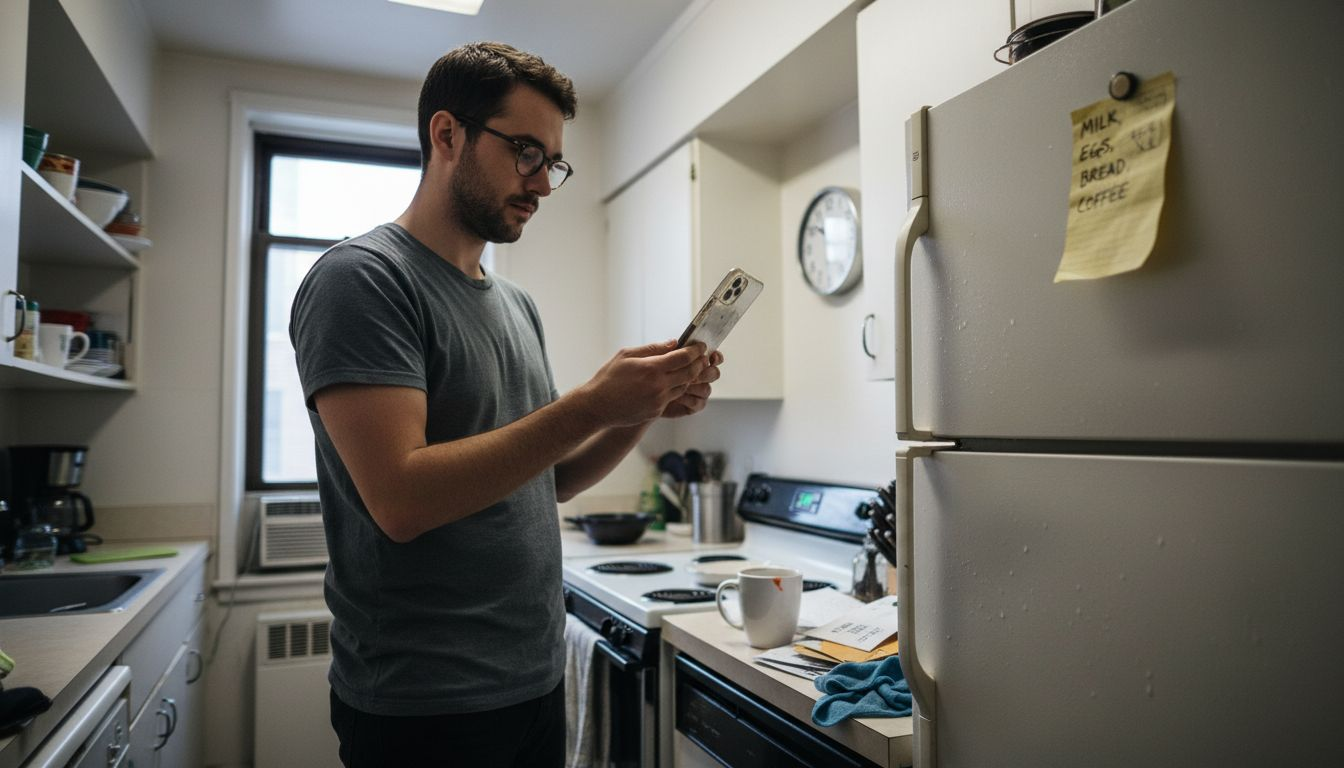
Suoran kemikaalialtistuksen lisäksi muoviset puhelinkotelot voivat myös muuttua bakteerien ja mikro-organismien kasvualustaksi. Näiden synteettisten materiaalien huokoinen pinta ja mikroskooppiset raot luovat ihanteellisen ympäristön mikrobien kasvulle, mikä voi lisätä ihoinfektioiden riskiä ja levittää haitallisia taudinaiheuttajia. Toistuva kosketus näiden saastuneiden pintojen kanssa voi vaarantaa henkilökohtaisen hygienian ja johtaa odottamattomiin terveyshaasteisiin.
Vinkki terveyden suojaamiseen : Puhdista puhelimesi kuori säännöllisesti alkoholipohjaisilla pyyhkeillä ja harkitse vaihtamista luonnollisiin, myrkyttömiin materiaaleihin, jotka minimoivat kemikaalialtistuksen ja tarjoavat samalla tehokkaan suojan laitteelle.
Kestävyysongelmat ja kuluttajakustannukset
Muoviset puhelinkotelot ovat kuluttajille paradoksaalinen investointi, sillä ne lupaavat suojaa, mutta samalla vaarantavat laitteen pitkäaikaisen turvallisuuden. Nämä kotelot voivat olla jäykkiä ja hauraita, minkä vuoksi ne voivat halkeilla tai särkyä iskun alla . Tämä johtaa usein jatkuviin vaihtotarpeisiin, mikä lisää sekä taloudellisia että ympäristökustannuksia.
Kertakäyttöisten muovikoteloiden taloudellinen taakka ulottuu välittömiä vaihtokustannuksia pidemmälle. Kuluttajat huomaavat usein olevansa jatkuvassa ostosyklissä, jossa heikkolaatuiset materiaalit edellyttävät toistuvia koteloiden hankintoja. Jokainen vaihto ei ole pelkästään rahallinen menetys, vaan se myös lisää elektroniikkaromun määrää, sillä synteettiset materiaalit kuluttavat merkittäviä resursseja valmistus- ja hävitysprosesseissa.
Muovikoteloiden valmistusrajoitukset lisäävät kestävyyshaasteita entisestään. Näissä lisävarusteissa käytetyt synteettiset polymeerit ovat tyypillisesti joustamattomia ja kimmoisia, mikä johtaa niiden nopeaan kulumiseen jokapäiväisessä käytössä. Altistuminen lämpötilan vaihteluille, fyysiselle rasitukselle ja UV-säteilylle kiihdyttää materiaalin hajoamista, mikä heikentää suojausominaisuuksia ja lyhentää sekä kotelon että sen alla olevan älypuhelimen käyttöikää.
Kustannussäästövinkki : Investoi korkealaatuisiin ja kestäviin puhelinkoteloihin, jotka on valmistettu kestävistä materiaaleista. Ne tarjoavat erinomaisen suojan ja pidemmän käyttöiän, mikä vähentää pitkän aikavälin kuluttajakuluja ja ympäristövaikutuksia.
Ympäristöystävällisiä vaihtoehtoja muovikoteloille
Kestävät puhelinkotelovaihtoehdot mullistavat laitteiden suojauksen tarjoamalla ympäristöystävällisiä ratkaisuja, jotka minimoivat ekologiset vaikutukset. Kasvipohjaisista materiaaleista, kuten Flaxsticista, valmistetut puhelinkotelot tarjoavat uraauurtavan lähestymistavan mobiililisävarusteiden suunnitteluun ja mahdollistavat kuluttajille laitteiden suojaamisen vaarantamatta ympäristöystävällisyyttä.
Ympäristöystävällisten puhelinkuorten kehittyvä markkina kattaa useita innovatiivisia materiaaleja ja valmistusmenetelmiä. Luonnolliset vaihtoehdot, kuten bambu, korkki, kierrätetty maatalousjäte ja biopohjaiset polymeerit, tarjoavat kestävyyttä ja suojaa samalla, kun ne pienentävät merkittävästi hiilijalanjälkeä. Nämä materiaalit voidaan hankkia kestävästi, käsitellä mahdollisimman vähäisin ympäristövaikutuksin, ja ne ovat usein biohajoavia tai täysin kompostoitavia elinkaarensa lopussa.
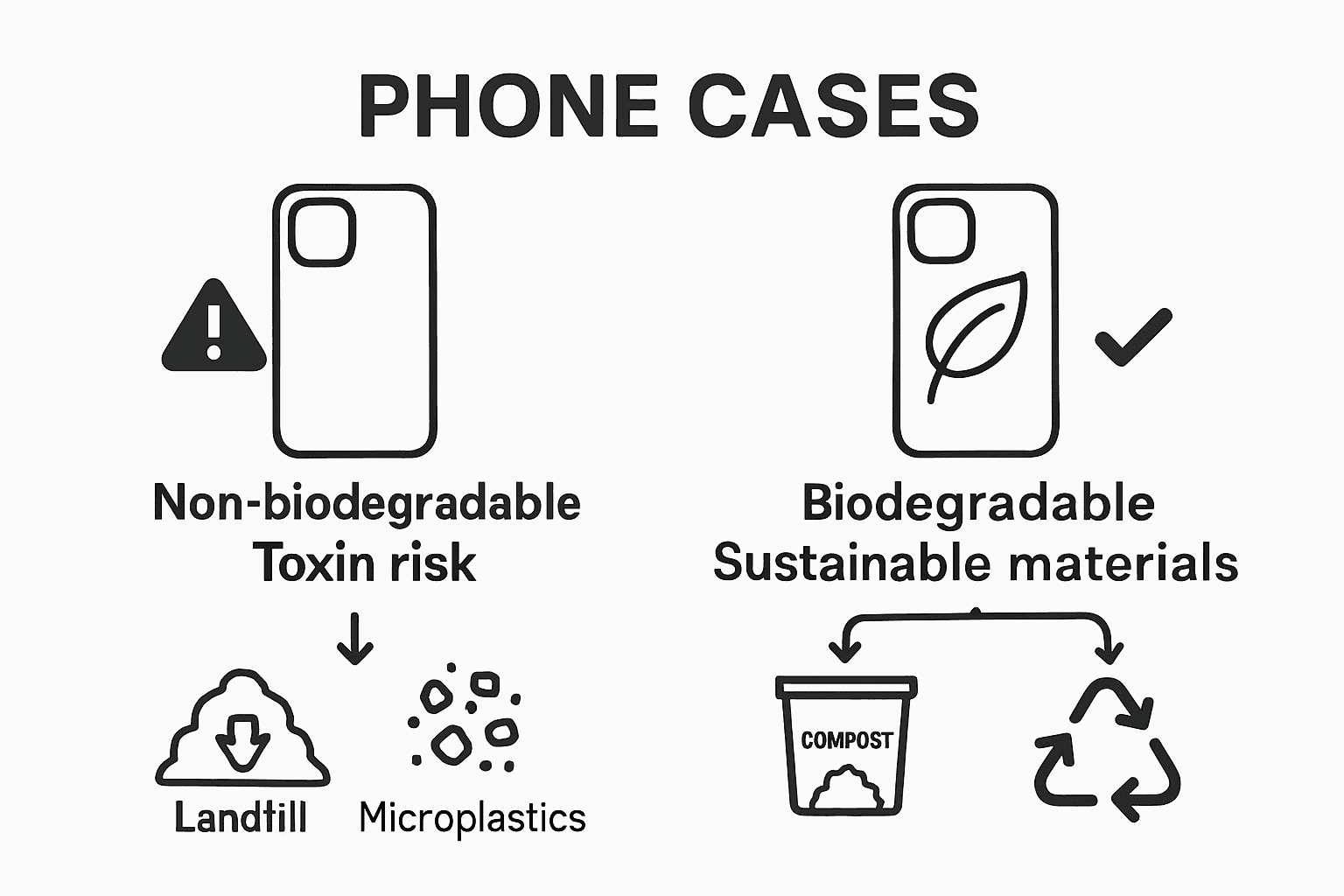
Materiaalivalintojen lisäksi kestävän kehityksen mukaiset puhelinkoteloiden valmistajat toteuttavat kiertotalouden periaatteita tuotantoprosesseissaan. Tähän sisältyy uusiutuvan energian hyödyntäminen valmistuksessa, vanhojen koteloiden takaisinotto-ohjelmien toteuttaminen ja tuotteiden suunnittelu, jossa otetaan huomioon koko tuotteen elinkaari. Tällaiset kokonaisvaltaiset lähestymistavat muuttavat puhelinkotelot kertakäyttöisistä lisävarusteista vastuullisiksi teknologisiksi ratkaisuiksi, jotka ovat linjassa kasvavan ympäristötietoisuuden kanssa.
Vinkki kestävään kehitykseen : Tutki puhelinkuorimerkkejä, jotka tarjoavat läpinäkyviä kestävän kehityksen sertifikaatteja, priorisoivat uusiutuvia, kierrätettäviä tai kompostoitavia materiaaleja ja tukevat valmistajia, jotka ovat sitoutuneet aitoon ympäristönsuojeluun.
Seuraavassa taulukossa on yhteenveto muovi- ja ympäristöystävällisten puhelinkoteloiden elinkaaren aikaisista näkökohdista:
| Elinkaaren vaihe | Muovikotelot | Ympäristöystävälliset kotelot |
|---|---|---|
| Resurssien louhinta | Öljypohjaiset polymeerit | Kasveja tai kierrätysmateriaaleja |
| Valmistus | Korkeat hiilidioksidipäästöt | Pienemmät päästöt, uusiutuva energia |
| Käyttö | Altis kulumiselle, hauras | Kestävä, voi kestää pidempään |
| Elämän loppu | Jäävät kaatopaikalle, saasteet | Biohajoava tai täysin kompostoituva |
Valitse ympäristöystävällinen puhelimen suojaus, jolla on todellinen vaikutus
Muovisten puhelinkoteloiden piilevät ympäristökustannukset paljastavat kiireellisiä syitä miettiä uudelleen puhelinlisävarusteitasi. Jos olet huolissasi myrkyllisistä kemikaaleista, mikromuovisaasteesta ja perinteisten muovikoteloiden pitkäaikaisesta jätteestä, tämän artikkelin faktat korostavat vaihtoehtoisen ratkaisun tarvetta. Ansaitset puhelinkotelon, joka suojaa laitettasi ja tukee samalla sitoutumistasi kestävään kehitykseen ja terveyteen.
Löydä paras valinta iPhonellesi Tallpinecases.com- sivuston kasvipohjaisten ja kompostoituvien puhelinkuorien valikoimasta. Omistatpa sitten uusimman mallin, kuten iPhone 15 Pro Maxin tai iPhone 15 Pron, tarjoamme tyylikkäitä, kestäviä ja ympäristöystävällisiä vaihtoehtoja, jotka vähentävät muovijätettä ja kemikaalialtistusta. Toimi nyt ja liity tuhansien ympäristötietoisten asiakkaiden joukkoon, jotka omaksuvat kestäviä teknologiatarvikkeita. Tutustu mallistoihin ja suojaa puhelimesi ja planeettasi jo tänään.
Usein kysytyt kysymykset
Mistä materiaaleista muoviset puhelinkotelot yleensä valmistetaan?
Muoviset puhelinkotelot valmistetaan yleensä polykarbonaatin (PC) ja akryylinitriilibutadieenistyreenin (ABS) sekoituksesta, mikä luo kestävän komposiittimateriaalin, joka tarjoaa merkittävän iskunkestävyyden.
Miten muoviset puhelinkotelot vaikuttavat ympäristön saastumiseen?
Muoviset puhelinkotelot tuottavat huomattavaa jätettä hävitettäessä, koska ne hajoavat ympäristössä hyvin hitaasti, mikä johtaa mikromuovien ja jäljelle jäävien synteettisten materiaalien aiheuttamaan saastumiseen, jotka saastuttavat ekosysteemejä.
Mitä mahdollisia terveysriskejä muovisten puhelinkuorien käyttöön liittyy?
Muoviset puhelinkotelot voivat sisältää haitallisia kemikaaleja, kuten BPA:ta ja ftalaatteja, jotka voivat liueta ihoon käytön aikana. Nämä kemikaalit ovat tunnettuja hormonaalisia haitta-aineita, ja niillä voi olla ajan myötä haitallisia vaikutuksia ihmisten terveyteen.
Onko muovisille puhelinkuorille ympäristöystävällisiä vaihtoehtoja?
Kyllä, on olemassa ympäristöystävällisiä vaihtoehtoja, jotka on valmistettu kestävistä materiaaleista, kuten bambusta, korkista ja biopohjaisista polymeereistä. Nämä suojaavat laitteita ja minimoivat ympäristövaikutukset biohajoavuuden tai kompostoitavuuden ansiosta.
Suositeltu
- Parhaat ympäristöystävälliset puhelinkotelot 2025 – Asiantuntijoiden vertailu – Tallpine-kotelot
- 6 parasta ekologista puhelinlisävarustetta tekniikkaa taitaville kuluttajille vuonna 2025 – Tallpine-kotelot
- Kompostoitava iPhone-kotelo - Sinivihreä – Tallpine-kotelot
- Kompostoitava iPhone-kotelo - Neptunuksen sininen – Tallpine-kotelot