
Joka vuosi amerikkalaiset kotitaloudet osaltaan aiheuttavat Yhdysvalloissa hylättävien puhelinkuorten hämmästyttävän määrän, yli 150 miljoonaa. Vanhojen kuorien lajittelu kierrätettävien kuorien löytämiseksi voi tuntua ylivoimaiselta, varsinkin kun on otettava huomioon niin monia erilaisia materiaaleja ja paikallisia sääntöjä. Tietämällä tarkalleen, miten käytettyjä kuoria käsitellään, voit vähentää jätettä, tukea kestävää kehitystä ja tehdä todellisen muutoksen yhteisössäsi. Tämä opas tarjoaa käytännön ohjeita ja sisäpiirin vinkkejä puhelinkuorten oikeaan kierrätykseen.
Sisällysluettelo
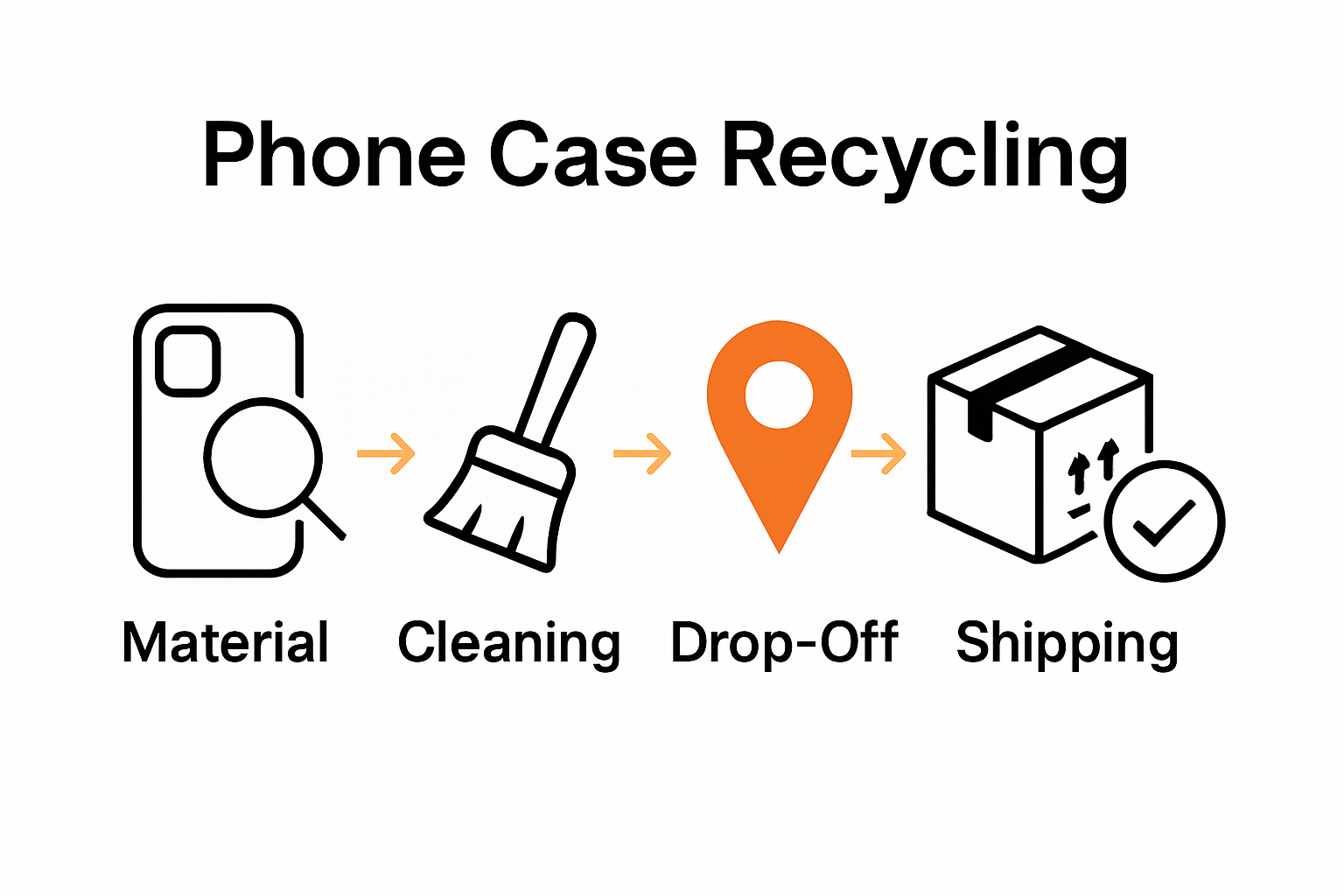
- Vaihe 1: Tunnista kierrätykseen soveltuvat puhelinkotelot
- Vaihe 2: Puhdista ja lajittele puhelinkotelot
- Vaihe 3: Paikanna sopivat kierrätyspisteet
- Vaihe 4: Pakkaa ja kuljeta puhelinkotelot vastuullisesti
- Vaihe 5: Varmista, että kierrätys tai hävittäminen on suoritettu asianmukaisesti
Lyhyt yhteenveto
| Keskeinen näkemys | Selitys |
|---|---|
| 1. Tunnista kierrätettävät materiaalit | Tarkista puhelimesi kotelosta selkeät materiaalimerkinnät kierrätettävyyden määrittämiseksi. Keskity yksityyppisiin materiaaleihin kierrätyksen helpottamiseksi. |
| 2. Puhdista ja lajittele laatikot huolellisesti | Puhdista puhelinkuoret materiaalityypin mukaan ja lajittele ne tehostaaksesi kierrätystä. |
| 3. Paikanna kierrätyspisteet | Etsi paikallisia elektroniikkaliikkeitä tai erikoistuneita kierrätysohjelmia, jotka ottavat vastaan puhelimesi kotelomateriaaleja vastuullista hävittämistä varten. |
| 4. Pakkauslaatikot kuljetusta varten | Käytä tukevia pakkauksia ja suojaa yksittäisiä laatikoita varmistaaksesi, että ne saapuvat kierrätyskeskuksiin ehjinä ja käsittelyvalmiina. |
| 5. Varmista kierrätyksen valmistuminen | Varmista, kierrätettiinkö puhelinkotelosi seuraamalla lähetyksiä tai ottamalla yhteyttä kierrätyskeskukseen saadaksesi päivityksiä hävittämisen jälkeen. |
Vaihe 1: Tunnista kierrätykseen soveltuvat puhelinkuoret
Kierrätettävien puhelinkuorien ymmärtäminen on ratkaiseva ensimmäinen askel elektroniikkajätteen vähentämisessä ja ympäristön kestävyyden tukemisessa. Kaikki puhelinkuoret eivät ole samanlaisia, ja kierrätysympäristössä navigointi vaatii huolellista tutkimista juuri sinun kuoresi materiaalikoostumuksesta.
Saadaksesi selville, onko puhelinkuoresi kierrätettävä, aloita tarkistamalla materiaalityyppi. Useimmat puhelinkuoret on valmistettu monimutkaisista polymeereistä, kuten polyuretaanista, joita perinteiset kierrätyskeskukset eivät pysty käsittelemään. Etsi kotelosta selkeät merkinnät, jotka osoittavat sen ensisijaisen materiaalin: polymeerimuovin, silikonin tai biomuovin. Yhdestä materiaalista, kuten puhtaasta silikonista tai tietyistä muoveista, valmistetut kotelot ovat yleensä helpompia kierrättää kuin sekamateriaaleista valmistetut kotelot.
Jotkut erikoistuneet kierrätysohjelmat tarjoavat vaihtoehtoja vaikeasti kierrätettäville koteloille. Ohjelmat, kuten PopSockets4 Recycling Program, hyväksyvät puhelinkoteloita kaikilta merkeiltä , mikä tarjoaa erinomaisen ratkaisun koteloille, jotka muuten saattaisivat päätyä kaatopaikoille. Ennen kuin hävität vanhan puhelinkotelosi, tutki paikallisia elektroniikkajätteen kierrätyskeskuksia tai lähetä se ohjelmiin, jotka voivat käsitellä juuri sinun kotelotyyppiäsi asianmukaisesti.
Vinkki: Jos olet epävarma kierrätettävyydestä, ota yhteyttä suoraan valmistajaan tai tarkista heidän verkkosivuiltaan tarkat kierrätysohjeet. Monet tuotemerkit tarjoavat nykyään selkeät ohjeet puhelimen suojalisävarusteiden vastuulliseen hävittämiseen.
Vaihe 2: Valmistele puhelinkotelot puhdistamalla ja lajittelemalla
Ennen puhelinkuorien kierrätystä on tärkeää tehdä asianmukainen valmistelu, jotta varmistetaan maksimaalinen tehokkuus ja materiaalien talteenotto. Puhelinkuorien puhdistaminen ja lajittelu auttavat virtaviivaistamaan kierrätysprosessia ja lisäävät materiaalien onnistuneen uudelleenkäsittelyn todennäköisyyttä.
Puhelinkuorten puhdistaminen vaatii erityisiä tekniikoita niiden materiaalikoostumuksen mukaan . Aloita irrottamalla kaikki kiinnitetyt lisävarusteet, kuten pistorasiat tai korttikotelot. Muovi- ja silikonikuorten puhdistamiseen käytä mietoa saippuaa ja lämmintä vettä lian ja noen poistamiseen varovasti. Vältä voimakkaita kemikaaleja tai hankaavia puhdistusvälineitä, jotka voivat vahingoittaa kuoren materiaalia. Nahka- tai kumikuorten puhdistamiseen käytä erityisiä puhdistusliuoksia, jotka on suunniteltu säilyttämään niiden ainutlaatuiset tekstuurit ja estämään kulumista.
Eri materiaalit vaativat erilaisia puhdistusmenetelmiä rakenteellisen eheytensä säilyttämiseksi . Kuivaa kotelot puhdistuksen jälkeen huolellisesti pehmeällä, nukkaamattomalla liinalla. Lajittele kotelot materiaalityypin mukaan (muovi, silikoni, kumi tai nahka) kierrätyksen helpottamiseksi. Poista kaikki elektroniset komponentit tai metalliosat, sillä ne vaativat erilliset kierrätysvirrat.
Vinkki: Ennen kierrätystä tarkista kotelot liiallisen kulumisen tai vaurioiden varalta. Kotelot, joissa on merkittäviä rakenteellisia ongelmia, eivät välttämättä sovellu kierrätykseen ja voivat mahdollisesti saastuttaa kierrätyserän.
Vaihe 3: Paikanna sopivat kierrätyspisteet
Vanhojen puhelinkuorien kierrätyspaikkojen löytäminen voi tuntua haastavalta, mutta on olemassa useita vaihtoehtoja, jotka auttavat sinua hävittämään nämä elektroniset lisävarusteet vastuullisesti. Tavoitteenasi on löytää kierrätyspiste, joka hyväksyy kierrätettäväksi haluamasi puhelinkuorimateriaalin.
Useat erikoistuneet kierrätysohjelmat tarjoavat käteviä ratkaisuja puhelinkuorien hävittämiseen. Aloita tarkistamalla paikallisista elektroniikkaliikkeistä, kuten Best Buysta tai Staplesista, joilla on usein omat elektroniikan kierrätyspisteet. Verkkopohjaiset postitusohjelmat tarjoavat toisen erinomaisen vaihtoehdon niille, joilla ei ole lähellä olevia palautuspisteitä. Monet älypuhelinvalmistajat ja lisälaitemerkit tarjoavat nyt omia kierrätysaloitteitaan, joissa voit lähettää kuoret suoraan heille asianmukaista käsittelyä varten.
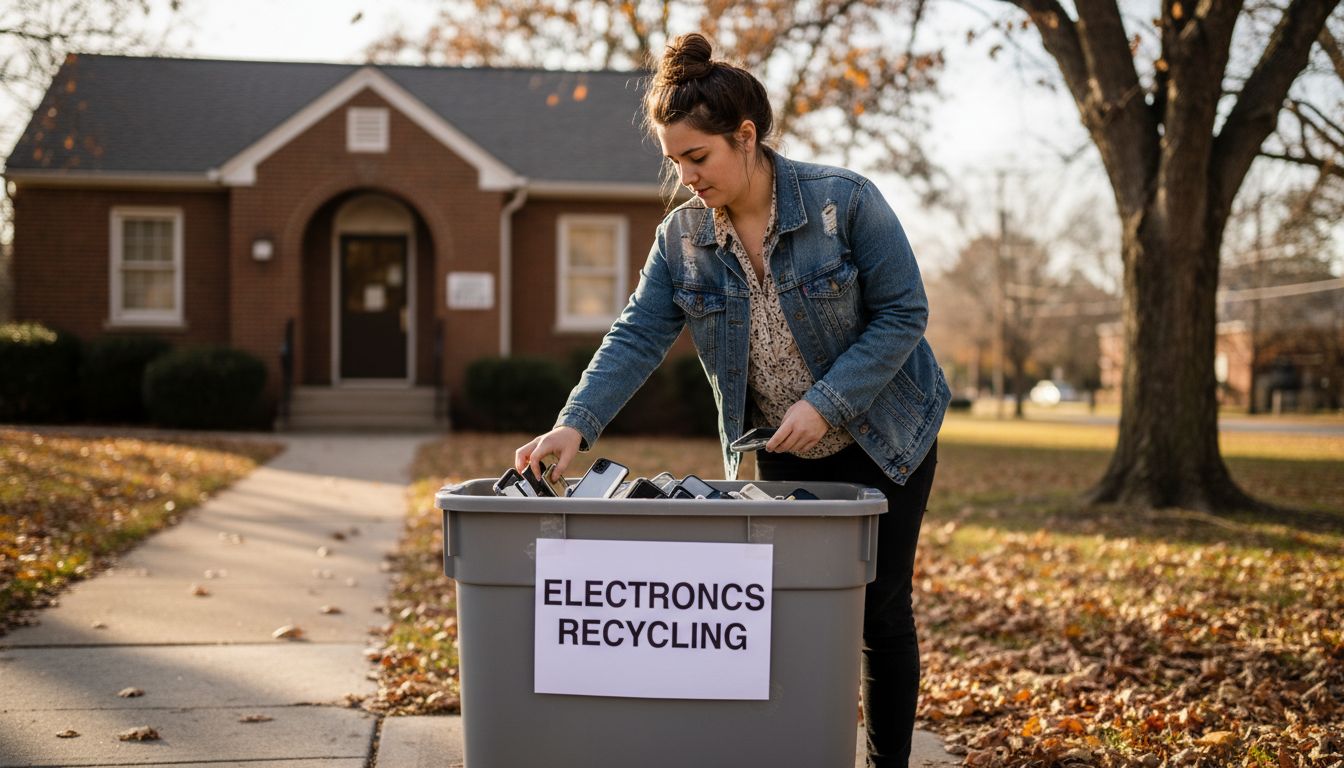
Laajenna hakuasi perinteisten kierrätyskeskusten ulkopuolelle tutkimalla yhteisön resursseja. Ota yhteyttä paikalliseen jätehuolto-osastoon, ympäristöjärjestöihin tai kunnallisiin kierrätyslaitoksiin ja kysy erityisistä puhelinkuorten kierrätysohjelmista. Jotkut yhteisökeskukset ja elektroniikkaliikkeet järjestävät ajoittain elektroniikkajätteen keräystapahtumia, joihin voit tuoda useita esineitä, kuten puhelinkuoria. Verkkoalustat ja paikalliset ympäristöjärjestöt ylläpitävät usein ajantasaisia luetteloita alueesi kierrätyspisteistä.
Vinkki: Ennen kuin tuot puhelinkotelosi, soita etukäteen tai tarkista vaatimukset verkosta. Joillakin kierrätyspisteillä on erityisiä ohjeita koteloiden valmistelusta, materiaalityypeistä ja hyväksyttävistä olosuhteista kierrätyksen onnistumisen varmistamiseksi.
Vaihe 4: Pakkaa ja kuljeta puhelinkotelot vastuullisesti
Puhelinkuorten onnistunut kierrätys edellyttää huolellista pakkaamista ja kuljetusta, jotta ne päätyvät ehjinä ja käsittelyvalmiina oikeaan kierrätyslaitokseen. Asianmukainen käsittely voi vaikuttaa merkittävästi kierrätyspyrkimystesi tehokkuuteen.
Kun valmistelet puhelinkoteloita lähetystä varten, noudata erityisiä ohjeita materiaalien suojaamiseksi kuljetuksen aikana . Aloita valitsemalla tukeva pahvilaatikko tai pehmustettu kirjekuori, joka tarjoaa riittävän suojan. Kääri jokainen puhelinkotelo erikseen puhtaaseen paperiin tai kuplamuoviin naarmuuntumisen tai vaurioitumisen estämiseksi. Ryhmittele samanlaiset materiaalit yhteen, jotta kierrätyskeskukset voivat tehostaa lajitteluprosessiaan. Jos käytät postiennakkolähetysohjelmaa, tulosta kaikki tarvittavat lähetystarrat tai asiakirjat ja kiinnitä ne tukevasti pakettiin.
Ota huomioon toimitustapasi ympäristövaikutukset valitsemalla tehokkain kuljetusvaihtoehto. Yhdistä puhelinkotelot paikallisiin toimituspisteisiin muiden elektronisten tuotteiden kanssa yksittäisten toimitusten minimoimiseksi. Valitse koteloita postittaessasi kuljetusyrityksiä, jotka tarjoavat hiilineutraaleja toimitusvaihtoehtoja, tai yhdistä useita tuotteita yhteen lähetykseen vähentääksesi kuljetuksen kokonaispäästöjä. Jotkut kierrätysohjelmat tarjoavat valmiiksi maksettuja lähetystarroja, jotka optimoivat pakkaus- ja kuljetusprosessin.
Vinkki: Ota selkeitä valokuvia puhelinkuorista ennen lähettämistä henkilökohtaiseksi tallenteeksi ja seurataksesi panostasi elektroniikkajätteen vähentämiseen. Tämä dokumentaatio voi toimia myös hyödyllisenä tietolähteenä, jos sinun on seurattava kierrätysprosessia.
Vaihe 5: Varmista, että kierrätys tai hävitys on suoritettu asianmukaisesti
Puhelimen kuorien kierrätysprosessin päättäminen edellyttää huolellista vahvistusta siitä, että elektroniset lisävarusteesi on käsitelty oikein ja vastuullisesti. Vahvistus varmistaa, että ympäristötoimillasi on merkityksellinen vaikutus ja että voit olla varma kestävästä jätteenkäsittelystäsi.
Jotkin kierrätysohjelmat tarjoavat suoran vahvistuksen automaattisten seurantajärjestelmien, kuten sähköposti-ilmoitusten tai digitaalisten kuittien, kautta. Kun olet lähettänyt puhelinkotelosi, seuraa vahvistussähköposteja, jotka dokumentoivat kuitin ja suunnitellun kierrätysprosessin. Nämä viestit sisältävät usein tietoja materiaalien talteenottomenetelmästä, mahdollisista hiilidioksidipäästöjen kompensointilaskelmista ja joskus jopa kannustimia, kuten alennuskuponkeja tulevia ostoksia varten.
Jos automaattinen seuranta ei ole käytettävissä, ryhdy ennakoiviin toimiin kierrätyksen valmistumisen varmistamiseksi. Ota yhteyttä kierrätyskeskukseen suoraan kahden tai kolmen viikon kuluessa laatikoiden lähettämisestä. Pyydä vastaanottovahvistus ja tiedustele heidän erityisestä kierrätysmenetelmästään. Säilytä kaikki lähetysasiakirjat, seurantanumerot ja kirjeenvaihto henkilökohtaisina tietoina. Jotkut organisaatiot tarjoavat verkkoportaaleja, joissa voit syöttää lähetystietosi ja seurata kierrätyksen edistymistä reaaliajassa.
Vinkki: Dokumentoi kierrätystoimesi pitämällä henkilökohtaista lokia kierrätetyistä elektroniikkalaitteista. Tämä kirja voi auttaa sinua seuraamaan ympäristövaikutuksiasi ja mahdollisesti käyttämään tietoja henkilökohtaisen hiilijalanjäljen laskemiseen tai kestävän kehityksen raportointiin.
Hyödynnä kestävää puhelimen suojaa ja kierrätystä
Puhelinkuorten kierrättäminen voi olla hämmentävää ja haastavaa, varsinkin materiaalien lajittelussa ja oikeiden kierrätysohjelmien löytämisessä. Artikkeli korostaa tärkeitä vaiheita puhelinkuorten tunnistamiseksi, puhdistamiseksi ja hävittämiseksi vastuullisesti. Jos haluat välttää monimutkaisten materiaalien kierrätyksen vaivan tai hylättyjen puhelinkuorten ympäristövaikutusten huolen, on olemassa fiksumpi vaihtoehto.
Löydä ympäristöystävälliset puhelinkotelot , jotka tekevät kestävyydestä yksinkertaista ja tyylikästä. Tallpinecases.com on erikoistunut kasvipohjaisiin, kompostoituviin koteloihin, jotka on suunniteltu minimoimaan jätettä alusta alkaen. Kotelomme vähentävät tarvetta kierrättää vaikeita materiaaleja, koska ne on valmistettu hajoamaan puhtaasti ja tukemaan puhtaampaa planeettaa. Liity tuhansien ympäristötietoisten asiakkaiden joukkoon, jotka nauttivat kestävästä suojasta vaarantamatta maapalloa. Osta nyt ja hyödynnä ilmainen toimitus ja jatkuvat tarjoukset. Ole osa ratkaisua Tallpinecases.comissa jo tänään ja suojaa puhelimesi vastuullisesti samalla, kun teet hyvää planeetalle.
Usein kysytyt kysymykset
Mistä tiedän, onko puhelimeni kuori kierrätettävä?
Voit selvittää, onko puhelimesi kuori kierrätettävä, tarkistamalla sen materiaalityypin. Etsi merkintöjä, jotka määrittävät materiaalin ja joiden tarkoituksena on tunnistaa yhdestä materiaalista valmistetut kuoret, koska ne on helpompi kierrättää.
Mitä vaiheita minun tulisi noudattaa valmistellakseni puhelinkoteloni kierrätystä varten?
Puhdista puhelimen kuoret irrottamalla kaikki lisävarusteet ja pese ne sitten miedolla saippualla ja lämpimällä vedellä lian poistamiseksi. Lajittele kuoret puhdistuksen jälkeen materiaalityypin mukaan kierrätyksen helpottamiseksi.
Mitä vaihtoehtoja minulla on puhelinkuorien kierrätykseen, jos paikallisia keräyspisteitä ei ole?
Jos paikallisia keräyspisteitä ei ole käytettävissä, harkitse postitse toimitettavien kierrätysohjelmien käyttöä, jotka hyväksyvät puhelinkuoria. Tutki mahdollisia paikallisia elektroniikkajätteen keräystapahtumia tai ota yhteyttä paikallisiin jätehuoltolaitoksiin saadaksesi tietoa mahdollisista kierrätysmahdollisuuksista.
Miten minun pitäisi pakata puhelinkoteloni kierrätyskeskukseen lähettämistä varten?
Kun pakkaat puhelinkoteloita postitusta varten, käytä tukevaa laatikkoa tai pehmustettua kirjekuorta suojaamaan niitä kuljetuksen aikana. Kääri jokainen kotelo erikseen puhtaaseen paperiin tai kuplamuoviin ja ryhmittele samanlaiset materiaalit yhteen helpottaaksesi lajittelua kierrätyskeskuksessa.
Mitä minun pitäisi tehdä varmistaakseni, että puhelinkuorieni kierrätys on tehty oikein?
Varmistaaksesi asianmukaisen kierrätyksen, etsi vahvistussähköposteja tai seurantailmoituksia kierrätysohjelmalta. Jos et saa automaattista vahvistusta, ota yhteyttä kierrätyskeskukseen ja pyydä vastaanottovahvistus sekä tiedustele heidän kierrätysprosessistaan.
Miten voin seurata kierrätystoimiani?
Pidä henkilökohtaista lokia kierrätetyistä puhelinkoteloistasi, joka sisältää lähetysasiakirjat ja seurantanumerot. Tämä kirja auttaa sinua seuraamaan panostasi elektroniikkajätteen vähentämiseen ja voi olla hyödyllinen henkilökohtaisessa kestävän kehityksen raportoinnissa.