
A surprising number of smartphone owners replace their devices early due to accidental damage, even though a sturdy case can extend a phone’s lifespan by years. Protecting your phone has never been more important as mobile devices play a central role in daily life. Understanding what makes a phone case genuinely durable helps you avoid costly repairs and find protection that stands up to drops, scratches, and everyday challenges with confidence.
Table of Contents
Key Takeaways
| Point | Details |
| Durability Factors | Durable phone cases rely on materials like TPU and polycarbonate for effective impact and scratch resistance. |
| Material Benefits | High-quality materials such as silicone and eco-friendly options provide shock absorption while ensuring a stylish profile. |
| Protection Mechanisms | Advanced cases incorporate raised bezels and corner reinforcement to minimize screen damage from drops. |
| Quality Risks | Low-quality cases expose devices to damage due to insufficient protective features and poor fit. |
What Makes Phone Cases Durable
A truly durable phone case goes far beyond basic protection, integrating sophisticated design and advanced materials to shield your mobile device from everyday wear and potential damage. Modern phone cases leverage innovative engineering principles to create robust protection that maintains a slim, stylish profile.
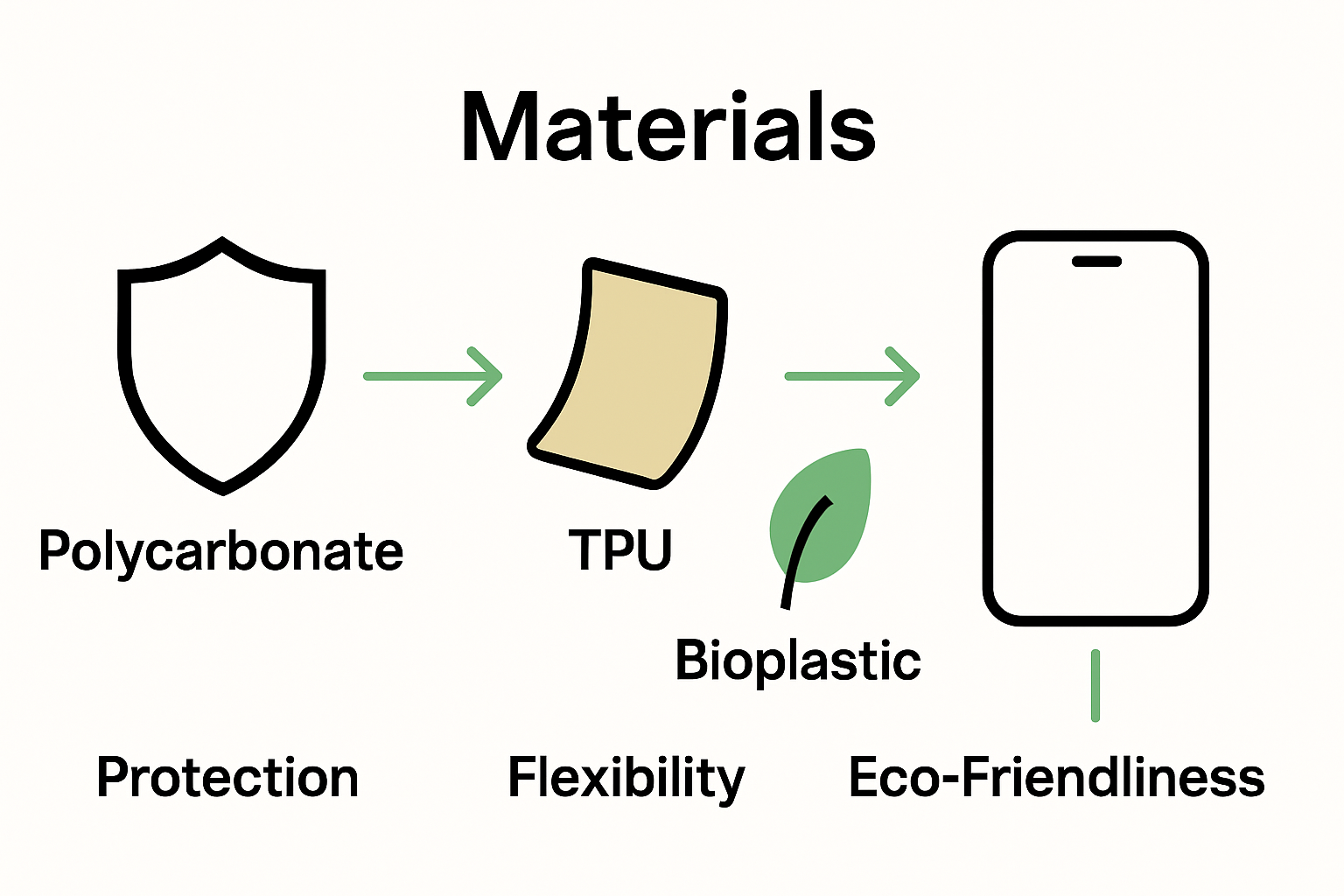
The foundation of durability lies in strategic material selection. Advanced protective materials like thermoplastic polyurethane (TPU) and polycarbonate work together to create multi-layered defense mechanisms. The inner layer, typically composed of shock-absorbent TPU, provides flexible impact resistance, while the outer shell made of rigid polycarbonate offers scratch and compression protection. This dual-layer construction allows cases to withstand significant drops and impacts without adding excessive bulk.
Key durability factors include:
-
Impact Resistance: Cases meeting military-grade MIL-STD-810G standards can survive drops from heights up to 6 feet
-
Material Composition: Combination of flexible TPU and rigid polycarbonate creates optimal protection
-
Shock Absorption: Strategic design that distributes and dissipates kinetic energy from drops and impacts
-
Edge Protection: Raised edges that protect screen and camera modules from direct contact with surfaces
Understanding these technical aspects helps consumers choose phone cases that provide genuine, long-lasting protection. While aesthetics matter, the true value of a phone case lies in its ability to preserve your device’s functionality and appearance through daily challenges.
Types of Durable Phone Case Materials
Phone case durability hinges on selecting the right materials that balance protection, weight, and aesthetic appeal. Manufacturers have developed sophisticated material combinations to create cases that offer robust device protection without compromising style or functionality.
The most common durable materials include thermoplastic polyurethane (TPU), polycarbonate, and silicone. Each material brings unique protective qualities. TPU offers exceptional shock absorption and flexibility, making it ideal for impact protection. Compostable eco-friendly cases have also emerged as a sustainable alternative, utilizing plant-based materials that provide robust protection while minimizing environmental impact.
Key material characteristics include:
-
TPU: Highly flexible, excellent shock absorption, prevents crack propagation
-
Polycarbonate: Rigid structure, superior scratch resistance, maintains structural integrity
-
Silicone: Soft, grippy texture, good impact resistance, prevents slipping
-
Recycled Plastics: Environmentally conscious option with comparable protective properties
Advanced phone cases often incorporate hybrid designs, combining multiple materials to maximize protection. For instance, a case might feature a soft TPU inner layer for shock absorption, surrounded by a hard polycarbonate shell to prevent penetration and distribute impact forces. This multi-material approach ensures comprehensive device protection while maintaining a sleek, lightweight profile that appeals to modern smartphone users.
How Durable Cases Protect Your Device
Protecting your smartphone requires more than just a basic cover. Modern phone cases are engineered to provide comprehensive defense against everyday hazards that can potentially damage your valuable device. From unexpected drops to daily wear and tear, a well-designed case acts as a critical shield for your smartphone’s delicate components.
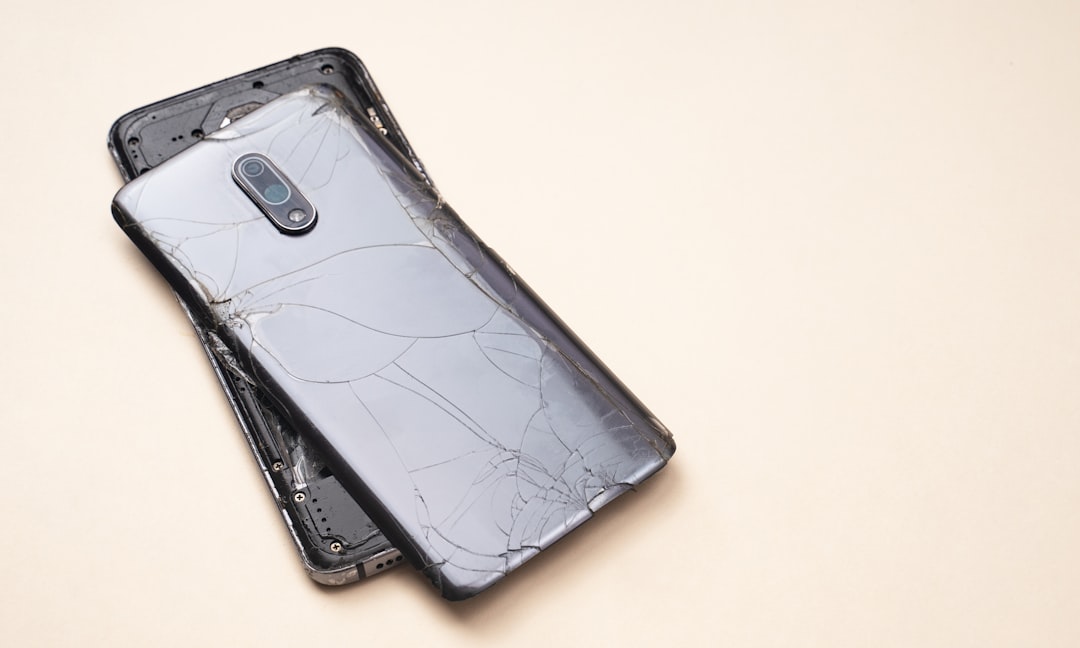
Layered protection strategies utilize sophisticated design techniques to minimize potential damage. These advanced cases incorporate multiple defensive elements, including shock-absorbent inner liners and rigid outer shells that work together to disperse impact forces and prevent direct damage to your device.
Key protective mechanisms include:
-
Impact Absorption: Specialized materials that distribute and dissipate kinetic energy
-
Raised Bezels: Protective edges that prevent screen and camera lens from direct surface contact
-
Corner Reinforcement: Extra protection in high-risk impact zones
-
Shock Dispersion: Strategic material layering that minimizes concentrated force
Advanced protection goes beyond simple cushioning. Modern phone cases integrate precise engineering principles to create a comprehensive defense system. The goal is not just to survive occasional drops, but to provide consistent, long-term protection that maintains your device’s structural integrity and preserves its functionality through years of daily use.
Eco-Friendly Versus Conventional Cases
The phone case market is experiencing a significant transformation, with environmentally conscious consumers demanding sustainable alternatives to traditional plastic cases. This shift reflects a growing awareness of the environmental impact of consumer electronics accessories and a desire to make more responsible purchasing decisions.
Plant-based materials are revolutionizing phone case manufacturing, offering innovative solutions that challenge conventional plastic production. These eco-friendly cases utilize unique materials like pineapple leaves, cactus fibers, and apple by-products to create protective accessories that minimize environmental harm while maintaining high performance standards.
Key differences between eco-friendly and conventional cases include:
-
Material Source: Renewable plant-based materials versus petroleum-based plastics
-
Environmental Impact: Compostable and biodegradable versus long-term waste generation
-
Manufacturing Process: Low carbon footprint versus high-energy plastic production
-
End-of-Life Disposal: Sustainable decomposition versus landfill accumulation
Advanced biocomposite technologies are pushing the boundaries of sustainable protection. Innovative materials like polyhydroxyalkanoate (PHA) combined with graphene offer performance that rivals traditional plastics, proving that environmental responsibility does not mean compromising on device protection. By choosing eco-friendly cases, consumers can make a meaningful contribution to reducing electronic waste while safeguarding their valuable devices.
Common Risks of Low-Quality Phone Protection
Choosing a substandard phone case can transform your expensive device into a vulnerable target for potential damage. Smartphones represent significant personal and financial investments, making their protection a critical consideration for every user who wants to preserve device functionality and appearance.
Inferior phone cases often compromise device safety through inadequate material properties and design limitations. These low-quality protectors frequently lack essential cushioning materials, resulting in minimal shock absorption and increased risk of permanent damage during accidental drops or impacts.
Key risks associated with low-quality phone cases include:
-
Insufficient Impact Protection: Thin materials that fail to absorb and distribute kinetic energy
-
Poor Fit: Loose cases that don’t securely grip the device
-
Rapid Material Degradation: Quick wear and breakdown of protective elements
-
Limited Screen Defense: Minimal raised edges that leave screen vulnerable
-
Potential Chemical Interaction: Cheap materials that might react with phone surfaces
Technology represents a significant personal investment, and cutting corners on protection can lead to costly consequences. A high-quality case acts as a critical barrier between your device and potential damage, offering peace of mind through robust, thoughtfully engineered design that goes beyond mere aesthetic appeal.
Protect Your Phone with Durable, Eco-Friendly Cases That Matter
The article highlights the importance of choosing truly durable phone cases that offer advanced impact absorption, shock dispersion, and raised edge protection to safeguard your device from everyday risks. Many readers are looking to avoid the pain of cracked screens and device damage caused by low-quality phone cases. If you want a phone case that balances robust protection with sustainable, plant-based materials, Tallpinecases.com provides an ideal solution. Our cases combine flexible TPU and rigid polycarbonate layers with eco-friendly, compostable prints to protect your smartphone while reducing environmental impact.
Explore our collection of eco-friendly phone cases and discover how you can shield your device with confidence. Take advantage of our ongoing promotions and enjoy free shipping on durable cases designed for long-term use. Visit Tallpinecases.com now to find a stylish, sustainable option that truly protects your valuable phone.
Frequently Asked Questions
What materials are commonly used in durable phone cases?
Durable phone cases typically use materials like thermoplastic polyurethane (TPU), polycarbonate, silicone, and sometimes recycled plastics. Each material offers unique protective qualities that contribute to overall durability.
How do durable phone cases protect against drops and impacts?
Durable phone cases employ layered protection strategies, combining shock-absorbent inner materials and rigid outer shells to distribute and dissipate impact forces, therefore minimizing potential damage to your device during drops.
What are the benefits of eco-friendly phone cases compared to conventional cases?
Eco-friendly phone cases are made from renewable plant-based materials, have a lower environmental impact, and are often compostable. Unlike conventional cases made from petroleum-based plastics, eco-friendly options offer similar protective features while reducing electronic waste.
Why is it important to invest in a high-quality phone case?
Investing in a high-quality phone case ensures better protection for your device, reducing the risk of permanent damage from impacts and drops. Low-quality cases may lack essential cushioning and durability, leading to costly repairs or replacements.