
Research shows that over 60 percent of consumers now factor sustainability into their tech accessory choices. With eco phone cases, the options extend far beyond simple protection and reflect a growing demand for products that blend style, ethics, and innovation. This article explores how modern materials and fresh design ideas are shifting expectations, revealing what truly sets a stylish eco-friendly phone case apart.
Table of Contents
- Defining Stylish Eco Phone Cases
- Sustainable Materials and Unique Designs
- Compostable Options and Print Innovations
- Durability and Everyday Protection Standards
- Ethical Production and Environmental Impact
- Comparing Eco Cases to Conventional Alternatives
Key Takeaways
| Point | Details |
|---|---|
| Stylish & Sustainable Materials | Eco phone cases marry design with sustainability, utilizing materials like plant-based polymers and recycled plastics that are both functional and visually appealing. |
| Holistic Approach to Production | Brands are adopting transparency in their manufacturing processes, ensuring ethical practices and minimal environmental impact throughout a product’s lifecycle. |
| Durability & Performance | Modern eco phone cases leverage advanced technologies to offer protection levels comparable to conventional plastics without compromising sustainability. |
| Consumer Responsibility | Researching materials and production methods is essential for consumers to make truly sustainable choices that align with their environmental values. |
Defining Stylish Eco Phone Cases
The modern eco phone case represents far more than basic device protection. It embodies a sophisticated intersection of design, sustainability, and technological innovation. Biodesign principles increasingly guide manufacturers toward creating cases that are not just environmentally responsible, but genuinely stylish and functional.
A truly stylish eco phone case distinguishes itself through several key characteristics. First, material selection becomes paramount - sustainable alternatives like plant based polymers, recycled ocean plastics, or biodegradable composites must demonstrate both environmental credentials and aesthetic appeal. These materials need to offer durability, texture, and visual interest while maintaining a minimal environmental footprint. Visual design elements such as subtle color gradients, organic textures, and minimalist patterns transform eco cases from mere protective shells into fashion accessories that communicate personal values.
Consumer research highlights that style in eco phone cases goes beyond superficial appearance. The Journal of Creative Arts emphasizes that brand visibility and consumer appeal depend on a holistic approach integrating appearance, functionality, and effective storytelling. Successful eco phone cases communicate their sustainability through design choices - whether through transparent material sourcing, intricate manufacturing techniques that minimize waste, or visual narratives that connect users with broader environmental movements.
Pro Tip: Research Case Materials: Before purchasing an eco phone case, investigate the specific materials used, their environmental impact, and biodegradability to ensure you are making a genuinely sustainable choice that doesn’t compromise on style or protection.
Sustainable Materials and Unique Designs
Innovative eco phone cases are transforming device protection through groundbreaking material technologies. Plant-based leather alternatives are revolutionizing the industry, offering designers unprecedented opportunities to create sustainable and visually striking protective accessories that minimize environmental impact.
Sustainable materials now encompass an extraordinary range of innovative options. Biodegradable fabrics like Bananatex, created from banana plant fibers, provide remarkable alternatives to traditional plastic-based phone cases. These materials not only reduce waste but also introduce unique textures and visual characteristics that traditional manufacturing cannot replicate. Designers are exploring materials derived from unexpected sources - apple leather, cactus fibers, mushroom composites - each bringing distinctive aesthetic and ecological advantages.
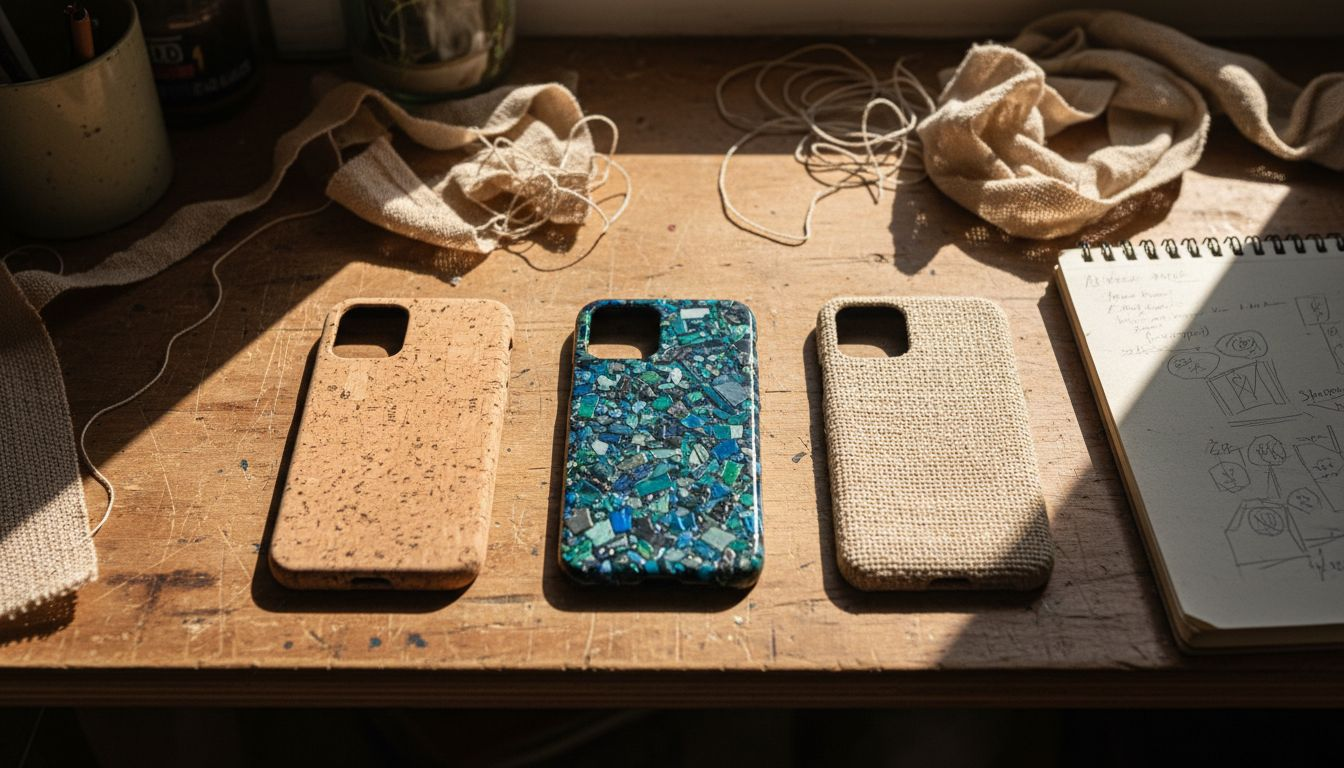
The evolution of sustainable phone case design goes beyond material selection. Modern eco-friendly cases integrate advanced manufacturing techniques that minimize waste, reduce carbon footprints, and create visually compelling products. Manufacturers are developing production processes that prioritize circular economy principles, ensuring that each case represents a holistic approach to environmental responsibility. By combining cutting-edge materials with innovative design strategies, these cases transform from mere protective accessories into statements of personal environmental commitment.
Pro Tip Material Research: Before purchasing an eco phone case, investigate the specific sustainable materials used, their biodegradability timeline, and environmental certifications to ensure you are making a genuinely responsible design choice.
Here is a summary comparing leading sustainable materials used in eco phone cases:
| Material Type | Visual Appeal | Durability | Biodegradability Timeline |
|---|---|---|---|
| Plant-based Leather | Soft matte finish | Moderate durability | 12-24 months in compost |
| Bananatex | Textured, unique weave | High flexibility | 8-16 months industrial |
| Mushroom Composite | Smooth, natural look | Moderate rigidity | 6-12 months industrial |
| Recycled Ocean Plastics | Glossy, vibrant colors | High resistance | Non-biodegradable, recyclable |
Compostable Options and Print Innovations
The landscape of eco-friendly phone cases has dramatically transformed with the emergence of compostable technologies that offer consumers sustainable alternatives to traditional plastic accessories. Innovative manufacturers are now developing phone cases that can completely break down in commercial composting facilities, creating a revolutionary approach to mobile device protection that minimizes long-term environmental impact.
Compostable phone case designs now incorporate advanced printing techniques that enable intricate, personalized graphics while maintaining ecological integrity. These cutting-edge manufacturing processes allow for vibrant, high-resolution prints that do not compromise the case’s biodegradability. Designers are pushing boundaries by developing printing methods that use water-based, non-toxic inks and sustainable pigmentation techniques, ensuring that visual aesthetics remain compelling without introducing harmful chemical compounds into the waste stream.
The technical complexity of creating compostable phone cases requires sophisticated material engineering. Manufacturers must balance multiple competing requirements - durability during the phone case’s active use, aesthetic appeal, and complete biodegradability at the end of the product’s lifecycle. Advanced formulations now combine plant-based polymers, organic binding agents, and specialized composting accelerants that enable these cases to fully decompose within 6-12 months in industrial composting environments, representing a significant leap forward in sustainable consumer electronics accessories.
Pro Tip Compost Verification: Always confirm the specific composting requirements for your eco phone case, as not all compostable products decompose in home composting systems and may require specialized industrial facilities.
Durability and Everyday Protection Standards
Eco-friendly phone cases have evolved dramatically, challenging the traditional perception that sustainable materials compromise device protection. Origami-inspired cellular cushion materials represent a breakthrough in developing lightweight yet incredibly robust protective designs that absorb impact energy efficiently while maintaining environmental sustainability.
Advanced biocomposite technologies are revolutionizing protective capabilities for eco phone cases. Innovative material engineering now incorporates sophisticated hybrid structures that combine sustainable polymers with reinforcing nanomaterials. Polyhydroxyalkanoate composites enhanced with graphene and carbon nanofibers demonstrate remarkable thermal stability and mechanical strength, ensuring that environmentally conscious phone cases can withstand daily wear and potential accidental drops without sacrificing their ecological credentials.
Protection standards for eco phone cases now encompass multiple performance metrics beyond traditional durability tests. Manufacturers are developing comprehensive evaluation protocols that assess impact resistance, scratch protection, thermal stability, and biodegradability simultaneously. These rigorous standards ensure that sustainable phone cases meet or exceed the protective capabilities of conventional plastic accessories, addressing consumer concerns about potential performance limitations of environmentally friendly materials. The integration of advanced nanomaterials and biomimetic design principles allows for unprecedented protection that does not compromise environmental responsibility.
Pro Tip Durability Assessment: When selecting an eco-friendly phone case, request specific drop test ratings and impact resistance certifications to ensure your device receives comprehensive protection.
Ethical Production and Environmental Impact
The contemporary eco phone case industry has transformed from a niche market into a powerful platform for demonstrating sustainable manufacturing principles. Design with memory approaches are revolutionizing production strategies, emphasizing recycled materials and comprehensive environmental consciousness that extends far beyond simple product creation.
Sustainable manufacturing now demands a holistic perspective that considers every stage of a phone case’s lifecycle. Manufacturers are implementing rigorous ethical production standards that track carbon emissions, ensure fair labor practices, and minimize waste throughout the entire production process. This comprehensive approach means examining everything from raw material sourcing to final packaging, creating transparent supply chains that allow consumers to understand the true environmental footprint of their mobile accessories.
Emotionally durable design principles are reshaping how consumers perceive and interact with phone cases. By creating products that foster deeper connections and encourage longer usage periods, manufacturers are directly addressing the environmental challenge of disposable consumer electronics. These design philosophies prioritize timeless aesthetics, exceptional durability, and emotional resonance, transforming phone cases from disposable accessories into meaningful personal items that consumers are motivated to protect and retain for extended periods.
Pro Tip Ethical Verification: Research manufacturers’ sustainability certifications and supply chain transparency reports before purchasing an eco phone case to ensure your investment genuinely supports responsible environmental practices.
Comparing Eco Cases to Conventional Alternatives
The landscape of phone case protection has undergone a revolutionary transformation, challenging long-held assumptions about material performance. Adaptive recycled plastic architectures demonstrate that eco-friendly materials can now match and frequently exceed the protective capabilities of traditional plastic accessories, dismantling the outdated notion that sustainability compromises functionality.
Performance benchmarking reveals surprising insights into the capabilities of eco-friendly phone cases. Graphene-based sustainable technologies have emerged as game-changing innovations, offering protection characteristics that are comparable or superior to conventional petroleum-based plastics. These advanced materials provide enhanced impact resistance, improved thermal stability, and significantly reduced environmental footprint, effectively addressing the primary concerns consumers have about switching to sustainable phone accessories.
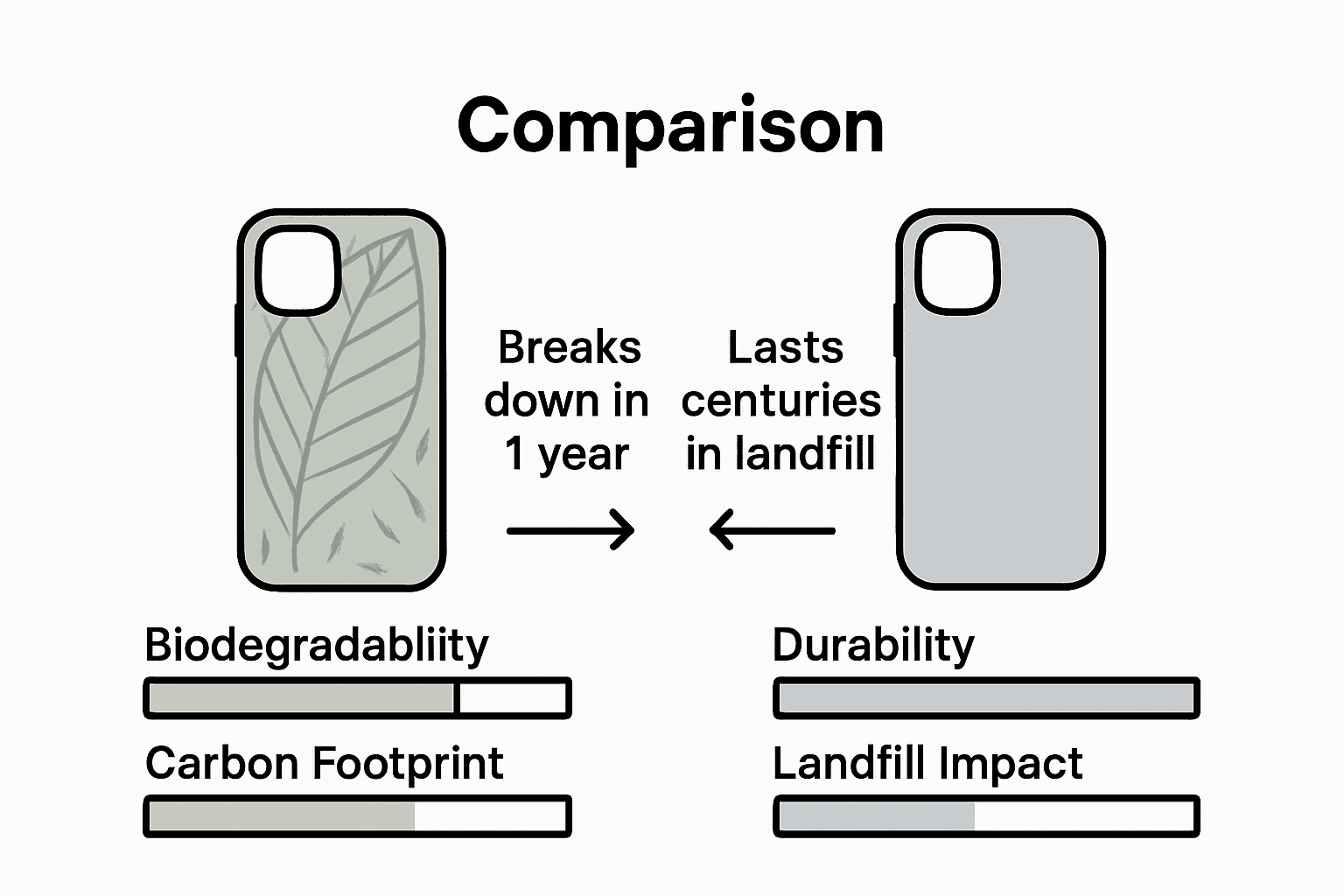
Beyond technical specifications, the comparison between eco cases and conventional alternatives extends to broader environmental and ethical considerations. Traditional plastic phone cases contribute substantially to electronic waste, with millions of non-biodegradable accessories discarded annually. In contrast, eco-friendly cases are designed with complete lifecycle sustainability in mind - from sourcing renewable materials to ensuring compostability or recyclability at the end of the product’s useful life. This holistic approach transforms phone cases from disposable accessories into responsible consumer choices that align with growing environmental consciousness.
This table highlights key performance and environmental differences between eco-friendly and conventional phone cases:
| Aspect | Eco Phone Cases | Conventional Plastics |
|---|---|---|
| Impact Resistance | Comparable with modern tech | Consistently high |
| End-of-Life Fate | Compostable or recyclable | Landfill, persists for decades |
| Carbon Footprint | Lower with responsible sourcing | High due to fossil fuels |
| Manufacturing Ethics | Often transparent supply chains | Frequently opaque |
Pro Tip Comparative Assessment: When evaluating eco-friendly phone cases, request detailed performance specifications and compare them directly with conventional alternatives to understand the true protective capabilities and environmental benefits of sustainable materials.
Elevate Your Style with Eco-Conscious Protection Today
Finding a phone case that blends sustainability with ultimate style can feel like a challenge. The article highlights the importance of eco phone cases crafted from biodegradable materials and advanced sustainable designs that offer durability without compromising on visual appeal. If you want a case that reflects your values while protecting your device with cutting-edge materials, Tallpinecases.com offers a range of options designed to meet these exact needs.
Explore our iPhone 15 Pro Max Cases – Tallpine Cases or Galaxy S23 Ultra Cases – Tallpine Cases to find stylish, plant-based phone cases featuring compostable prints and ethically sourced materials. Act now to join a growing community of environmentally conscious consumers who want premium protection paired with meaningful design. Visit Tallpinecases.com and discover your next eco-friendly phone case today.
Frequently Asked Questions
What materials are commonly used in stylish eco phone cases?
Sustainable eco phone cases often utilize materials such as plant-based polymers, recycled ocean plastics, and biodegradable composites, which balance environmental responsibility with aesthetic appeal.
How do I ensure that my eco phone case is genuinely sustainable?
Investigate the materials used, their environmental impact, and biodegradability. Look for certifications and transparent sourcing information from the manufacturer to confirm sustainability claims.
Are eco phone cases durable and protective like conventional cases?
Yes, many modern eco phone cases are designed to provide comparable or superior protection to conventional cases, using advanced materials and engineering to ensure impact resistance and durability without sacrificing sustainability.
How do compostable phone cases work, and what are their benefits?
Compostable phone cases break down in commercial composting facilities, reducing long-term environmental impact. They often feature eco-friendly printing techniques and can fully decompose within a specific period, offering a sustainable alternative to traditional plastics.