
Most consumers believe that compostable materials are an automatic win for the planet, but the reality is far more complicated. Over 60 percent of compostable products end up in landfills where they generate greenhouse gases instead of enriching soil. Understanding the real benefits and limitations behind these materials is essential for making informed choices, especially as new packaging and bioplastics flood the market with bold environmental claims.
Table of Contents
Key Takeaways
| Point | Details |
| Compostable materials have specific requirements for decomposition. | Proper composting conditions involve temperature, moisture, and microbial activity, which are often not met in typical domestic settings. |
| Not all compostable materials are equal. | Materials like PBAT and PLA have distinct characteristics and degradation processes, necessitating informed disposal practices. |
| Improper disposal can lead to environmental harm. | Compostable items placed in regular trash can result in harmful methane emissions when they decompose in landfills. |
| Understanding local waste management is crucial. | Familiarity with local composting guidelines ensures effective disposal and maximizes environmental benefits of compostable materials. |
Compostable Materials Defined and Misconceptions
Compostable materials represent a complex environmental solution that goes far beyond simple waste management. These specialized substances can break down completely in specific composting environments, transforming into natural elements without leaving toxic residues.
Contrary to popular belief, compostable materials are not universally degradable in all settings. Research demonstrates that biobased plastics are not automatically biodegradable or compostable. Some surprising facts challenge common assumptions:
-
Not all plant-based plastics decompose easily
-
Fossil fuel-based plastics can potentially biodegrade
-
Biodegradable and compostable are not interchangeable terms
The environmental impact of compostable materials is more nuanced than most consumers realize. Emerging studies reveal that compostable packaging might actually generate significant greenhouse gases like methane when improperly disposed of in landfills. This counterintuitive reality suggests that simply creating compostable products does not automatically guarantee environmental benefit.
Understanding the precise conditions required for effective composting is crucial. Successful decomposition demands specific temperature, moisture, and microbial activity levels that most domestic environments cannot naturally provide. Consumers must recognize that dropping a compostable item into a regular trash bin effectively negates its environmental potential, transforming what could be a sustainable solution into potential ecological harm.
Types of Compostable Materials and Their Differences
Compostable materials represent a diverse category of substances designed to break down naturally, with each type offering unique characteristics and environmental implications. Understanding these variations is crucial for making informed ecological choices.
Polybutylene adipate terephthalate (PBAT) stands out as a sophisticated biodegradable copolymer engineered to replace traditional plastics. This innovative material combines remarkable flexibility with impressive resilience, making it particularly suitable for creating plastic bags, packaging wraps, and other single-use applications where traditional polymers typically dominate.
Another significant compostable material is Polylactic acid (PLA), a renewable polymer derived from plant-based sources like corn starch. While PLA offers promising environmental potential, its decomposition requires specific conditions:
-
Requires industrial composting facilities
-
Demands temperatures above 60°C for effective breakdown
-
Ineffective in home composting environments
-
Limited degradation potential in standard landfill conditions
Beyond PBAT and PLA, other compostable materials include:
-
Cellulose-based materials
-
Starch-derived polymers
-
Hemp and bamboo composites
-
Agricultural waste-derived plastics
Consumers should recognize that not all compostable materials perform identically. Each type requires unique environmental conditions to decompose effectively, emphasizing the importance of proper disposal and understanding individual material characteristics. Responsible use means matching the right compostable material to its optimal decomposition environment.
How Compostable Materials Decompose and Benefit Soil
Soil decomposition represents a fascinating natural process where compostable materials transform from discarded substances into vital nutrients that support ecosystem health. Understanding this intricate breakdown mechanism reveals the extraordinary potential of sustainable materials to regenerate environmental systems.
Biodegradable polymers undergo a remarkable transformation through bacterial decomposition, breaking down into essential natural byproducts. These materials systematically convert into:
-
Gases
-
Water
-
Biomass
-
Inorganic salts
Biopolymers like polylactic acid play a crucial role in this ecological cycle. When these materials decompose, they generate carbon dioxide and water that can be directly reabsorbed by plants, creating a sustainable nutrient exchange that mimics natural ecosystem processes.
The decomposition process is not uniform across all materials. Different compostable substances require specific environmental conditions to break down effectively:
-
Temperature ranges
-
Moisture levels
-
Microbial diversity
-
Oxygen availability
Soil microorganisms act as nature’s recyclers, systematically breaking down compostable materials into nutrient-rich organic matter. This process enriches soil structure, improves water retention, and provides essential minerals for plant growth. By introducing compostable materials into waste streams, consumers can directly contribute to regenerative environmental practices that support healthier, more resilient ecosystems.
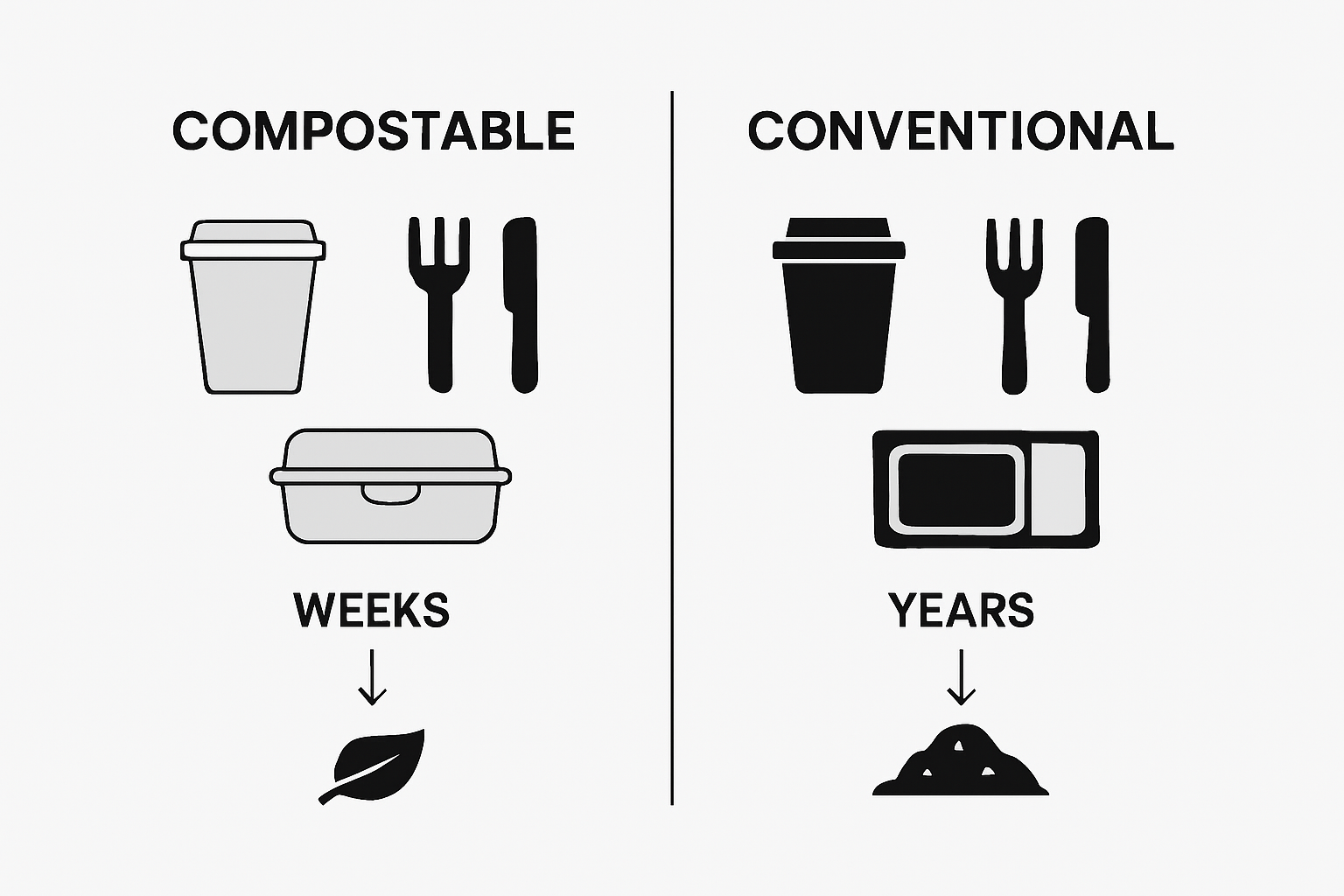
Environmental Impact Compared to Conventional Alternatives
Sustainable materials challenge traditional manufacturing paradigms by offering alternative solutions to conventional plastic production. Understanding the nuanced environmental trade-offs is crucial for making informed ecological choices that extend beyond simple waste reduction.
Research reveals that compostable packaging presents a complex environmental profile. Contrary to popular perception, these materials are not automatically more sustainable, with potential drawbacks including:
-
Higher water consumption rates
-
Significant ozone depletion potential
-
Increased global warming impact
-
Potential methane release in landfill conditions
Bioplastic production represents a promising yet intricate environmental strategy. While these materials can reduce fossil fuel dependence, their lifecycle demands careful environmental assessment. Key considerations include:
-
Production energy requirements
-
Waste management infrastructure
-
Decomposition capabilities
-
Long-term environmental consequences
The environmental calculus of compostable materials extends far beyond simple biodegradability. Responsible consumption requires understanding that sustainable alternatives are not universally superior but demand sophisticated, context-specific evaluation. Consumers must critically assess each material’s total environmental footprint, recognizing that true sustainability involves comprehensive lifecycle analysis rather than superficial green marketing claims.
Common Pitfalls and Best Practices for Use
Responsible consumption of compostable materials requires more than good intentions. Navigating the complex landscape of eco-friendly disposal demands careful understanding and strategic implementation to avoid unintended environmental consequences.
Research highlights critical misconceptions about biodegradable waste management. Improper disposal can lead to significant environmental risks, particularly when materials decompose in anaerobic landfill conditions that generate harmful methane emissions.
Key pitfalls to avoid include:
-
Assuming all biodegradable materials decompose equally
-
Disposing of compostable items in standard trash streams
-
Believing landfills provide adequate decomposition environments
-
Mixing different types of compostable materials indiscriminately
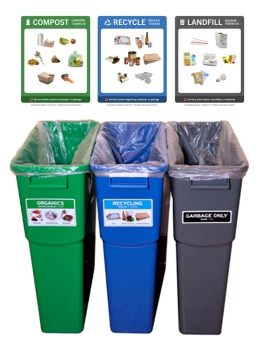
Understanding local waste management systems is crucial for effective material disposal. Different composting facilities have unique requirements that can be disrupted by inappropriate waste introduction. Best practices for responsible use include:
-
Verify local composting facility guidelines
-
Clean compostable materials before disposal
-
Separate different material types
-
Research specific decomposition requirements
-
Avoid contaminating composting streams
Successful implementation of compostable materials demands active consumer education and engagement. By understanding the nuanced requirements of these innovative materials, individuals can transform potential environmental challenges into meaningful sustainability practices.
Embrace True Eco-Friendly Living with Compostable Phone Cases
The article highlights a critical challenge in eco-friendly living: not all compostable materials break down effectively without the right conditions. Many consumers face confusion and frustration when their eco-friendly choices do not decompose as expected, which can undermine sustainability goals. At Tallpinecases.com, we understand how important it is to choose products made from genuinely compostable, plant-based materials designed to reduce environmental impact.
Explore our Biodegradable Phone Case collection crafted with care to meet high environmental standards.
Protect your phone with cases that align with your commitment to sustainability. Our unique designs not only offer durable protection but also support your eco-conscious lifestyle by using plant-based, compostable options. Take action now to reduce waste and support greener choices. Visit Tallpinecases.com today and find the perfect eco-friendly phone case that truly makes a difference.
Frequently Asked Questions
What are compostable materials?
Compostable materials are substances designed to break down completely in specific composting environments, transforming into natural elements without leaving harmful residues. They can turn organic waste into nutrients that enhance soil health.
How do compostable materials decompose in soil?
Compostable materials decompose through bacterial activity, breaking down into gases, water, biomass, and inorganic salts. This process requires specific conditions, including proper temperature, moisture, and microbial diversity, allowing nutrients to return to the soil.
What is the difference between biodegradable and compostable materials?
Biodegradable materials can break down over time, but compostable materials specifically require particular conditions to decompose into non-toxic byproducts. Not all biodegradable materials are suitable for composting.
What are some common pitfalls when using compostable materials?
Common pitfalls include assuming all compostable materials break down equally, disposing of them in general trash, and not understanding local composting facility requirements. Proper disposal is essential to maximize their environmental benefits.