
More than 400 million phone cases are sold each year in the american market, creating a massive wave of plastic waste that lingers for centuries. As daily device protection becomes a routine purchase, many overlook the environmental consequences hidden behind that new case. Discover how eco-friendly phone cases offer a smarter alternative, delivering the same reliability while actively reducing your environmental footprint and supporting a cleaner future.
Table of Contents
Key Takeaways
| Point | Details |
| Eco-friendly Materials | Eco-friendly phone cases are made from sustainable materials like plant-based polymers and recycled plastics, reducing environmental impact. |
| Sustainable Manufacturing | Innovative production processes focus on reducing carbon footprints and utilizing renewable energy, promoting lower environmental harm. |
| Environmental Impact Awareness | Consumers should prioritize transparent sourcing and third-party certifications to ensure genuine sustainability in phone case selection. |
| Performance Equivalence | Modern eco-friendly cases match the protective capabilities of traditional cases while offering a significantly lower environmental footprint. |
Defining Eco-Friendly Phone Cases
Eco-friendly phone cases represent a groundbreaking approach to mobile device protection that prioritizes environmental sustainability. These innovative accessories are designed to minimize ecological impact by utilizing alternative materials and production methods that significantly reduce waste and carbon emissions. Eco-friendly materials transform traditional phone protection into a conscious consumer choice.
At their core, eco-friendly phone cases are crafted from sustainable materials that dramatically diverge from conventional petroleum-based plastics. Manufacturers now leverage recycled plastics, plant-based polymers, biodegradable substances, and compostable components to create protective accessories that serve both functional and environmental purposes. These materials can include renewable resources like bamboo, cork, wheat straw, recycled ocean plastics, and other innovative alternatives that reduce environmental strain.
The primary objectives of eco-friendly phone cases extend beyond simple device protection. They aim to address critical environmental challenges by reducing plastic waste, supporting sustainable manufacturing practices, and providing consumers with an opportunity to make environmentally responsible purchasing decisions. By choosing cases made from renewable or recycled materials, users can directly contribute to minimizing the massive amount of electronic accessory waste that typically ends up in landfills or oceans.
Key characteristics of eco-friendly phone cases include:
-
Manufactured using renewable or recycled materials
-
Biodegradable or compostable construction
-
Reduced carbon footprint during production
-
Minimal packaging and sustainable shipping practices
-
Commitment to environmental conservation through material selection
Sustainable Materials and Certifications Explained
The world of eco-friendly phone cases relies on sophisticated sustainable materials that transform traditional manufacturing practices. Innovative companies are pioneering materials that drastically reduce environmental impact while maintaining robust device protection. Compostable phone cases represent a cutting-edge approach to sustainable accessory design.
Sustainable materials used in eco-friendly phone cases encompass a diverse range of innovative solutions. Plant-based polymers derived from sources like corn, sugarcane, and bamboo offer renewable alternatives to traditional petroleum-based plastics. Recycled ocean plastics provide another critical avenue for transforming waste into functional protective gear. Advanced materials such as cork, wheat straw, and biodegradable composites demonstrate the remarkable potential of reimagining phone case manufacturing through an environmental lens.

Certifications play a crucial role in validating the environmental credentials of sustainable phone cases. Key certifications consumers should look for include B Corp Certification, which indicates comprehensive social and environmental performance, and Global Recycled Standard for cases utilizing recycled materials. Other important certifications include Cradle to Cradle, which evaluates product sustainability across multiple dimensions, and Carbon Neutral certification that confirms a product’s commitment to minimizing carbon emissions.
Key sustainable material characteristics include:
-
Renewable source origins
-
Minimal processing requirements
-
Low carbon footprint during production
-
Biodegradability or compostability
-
Potential for future material recycling
Consumers seeking authentic sustainable phone cases should investigate:
-
Material sourcing transparency
-
Comprehensive environmental certifications
-
Manufacturing process sustainability
-
End-of-life disposal options
-
Overall environmental impact assessment
Manufacturing Processes and Environmental Impact
The manufacturing of eco-friendly phone cases represents a revolutionary approach to reducing environmental harm in the tech accessory industry. Innovative biopolymer technologies are transforming traditional production methods, enabling manufacturers to create protective cases with significantly reduced carbon footprints. By leveraging renewable materials and advanced manufacturing techniques, these companies are redefining sustainable product development.
Manufacturing processes for eco-friendly phone cases involve several critical stages designed to minimize environmental impact. Sustainable production begins with carefully sourced raw materials like plant-based polymers, recycled plastics, and biodegradable compounds. Advanced techniques such as low-temperature molding, energy-efficient production lines, and minimal waste processing help reduce overall carbon emissions. Manufacturers now prioritize closed-loop production systems that recycle manufacturing waste, dramatically decreasing the environmental footprint of each phone case.
Carbon emission reduction stands as a primary goal in eco-friendly phone case manufacturing. Companies are implementing comprehensive strategies to track and minimize their environmental impact, including renewable energy use in production facilities, carbon offset programs, and transparent supply chain management. By measuring and mitigating each stage of production, these manufacturers demonstrate a commitment to environmental stewardship that goes far beyond traditional manufacturing approaches.
Key environmental considerations in phone case manufacturing include:
-
Renewable energy consumption
-
Minimal water usage during production
-
Reduced chemical processing
-
Zero-waste manufacturing goals
-
Comprehensive carbon tracking
Consumers can support sustainable manufacturing by:
-
Choosing brands with transparent environmental policies
-
Selecting cases made from verified sustainable materials
-
Supporting manufacturers with comprehensive carbon reduction strategies
-
Participating in product recycling and return programs
-
Demanding increased transparency in manufacturing processes
Comparing Traditional vs. Eco-Friendly Cases
The landscape of phone case protection has dramatically transformed with the emergence of eco-friendly alternatives that challenge traditional petroleum-based designs. Sustainable phone cases represent a fundamental shift from conventional plastic accessories, offering consumers a meaningful way to reduce environmental impact while maintaining device protection.
Traditional phone cases, primarily manufactured from non-biodegradable plastics like polycarbonate and silicone, create significant environmental challenges. Plastic waste from these accessories can persist in landfills for hundreds of years, contributing to global pollution problems. In stark contrast, eco-friendly cases utilize innovative materials such as biodegradable plant-based polymers, recycled ocean plastics, and natural composites that dramatically reduce waste accumulation.
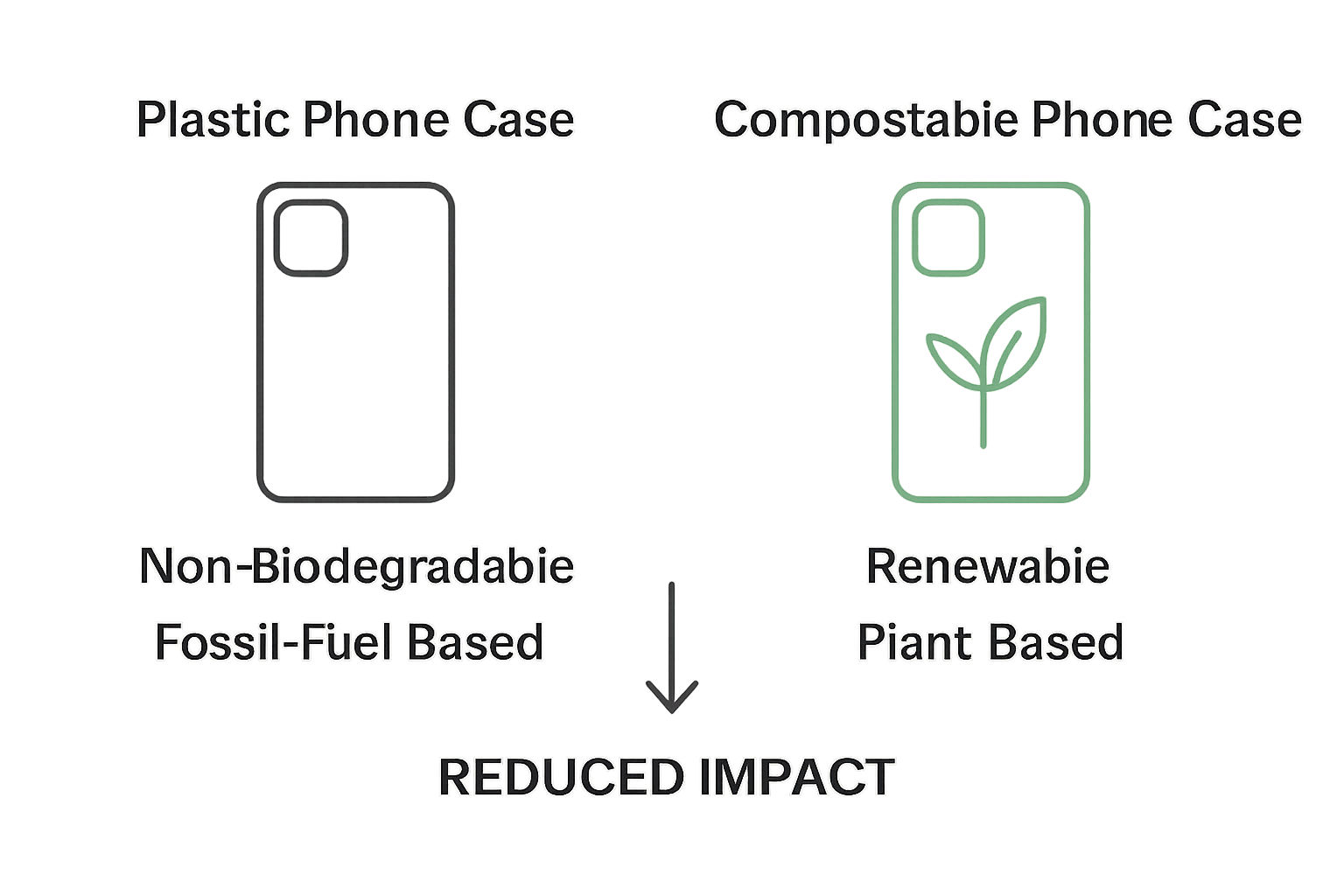
Performance comparisons between traditional and eco-friendly cases reveal surprising equivalencies. Modern sustainable cases now match or exceed the protective capabilities of conventional designs, offering robust shock absorption, scratch resistance, and durability. The primary differences emerge in their environmental footprint, with eco-friendly options providing comparable protection while eliminating long-term ecological consequences associated with traditional manufacturing processes.
Key differences between traditional and eco-friendly cases include:
-
Material composition
-
Decomposition timeframe
-
Carbon footprint
-
Manufacturing processes
-
End-of-life environmental impact
Consumers should consider:
-
Long-term environmental consequences
-
Protection performance
-
Material sustainability
-
Manufacturing transparency
-
Personal environmental responsibility
How to Choose a Truly Eco-Friendly Case
Selecting an authentic eco-friendly phone case requires careful consideration beyond surface-level marketing claims. Environmentally conscious phone accessories demand a comprehensive evaluation of material sourcing, manufacturing processes, and long-term environmental impact.
Sustainable material verification forms the cornerstone of identifying genuine eco-friendly cases. Consumers should prioritize cases made from proven renewable resources like plant-based polymers, recycled ocean plastics, or biodegradable compounds. Critical factors include transparent material sourcing, third-party environmental certifications, and evidence of reduced carbon emissions during production. Manufacturers committed to true sustainability will provide detailed documentation about their material origins, manufacturing processes, and environmental impact measurements.
Beyond material composition, a truly eco-friendly case requires holistic environmental consideration. This means examining the entire product lifecycle, from raw material extraction to end-of-life disposal. Consumers should investigate whether manufacturers offer recycling programs, use renewable energy in production, minimize packaging waste, and demonstrate a comprehensive commitment to environmental stewardship. The most responsible brands go beyond simply using sustainable materials and integrate ecological considerations into every aspect of their business model.
Key criteria for selecting an authentic eco-friendly phone case:
-
Verifiable sustainable material composition
-
Third-party environmental certifications
-
Transparent manufacturing processes
-
Minimal carbon footprint
-
Biodegradability or recyclability
Consumer evaluation steps:
-
Research material origins
-
Check environmental certifications
-
Verify manufacturing transparency
-
Assess end-of-life disposal options
-
Compare brand environmental commitments
Protect Your Phone and the Planet with Tallpinecases
Choosing an eco-friendly phone case means more than just safeguarding your device. It is about making a responsible choice for the environment by using cases made from sustainable, plant-based materials that reduce plastic waste and carbon footprints. If you are ready to move beyond traditional plastic and want a phone case that offers biodegradability, compostability, and a minimal environmental impact, Tallpinecases offers exactly what you need.
Explore our unique collection of compostable phone cases designed using innovative sustainable materials, all backed by our commitment to carbon offsetting and tree planting. Take the step now to join a community of environmentally conscious consumers who value durability and style without compromise. Visit Tallpinecases today to shop smart and protect the planet with every purchase.
Frequently Asked Questions
What are eco-friendly phone cases made of?
Eco-friendly phone cases are typically made from sustainable materials such as recycled plastics, plant-based polymers, biodegradable substances, and compostable components. These materials include renewable resources like bamboo, cork, and wheat straw that aim to reduce environmental impact.
How do eco-friendly phone cases compare to traditional cases?
Eco-friendly phone cases often provide similar protection levels as traditional cases but are designed to minimize environmental harm. While traditional cases are primarily made from non-biodegradable materials, eco-friendly options utilize biodegradable or recyclable materials that significantly reduce long-term waste.
What should I look for when choosing an eco-friendly phone case?
When selecting an eco-friendly phone case, prioritize verifiable sustainable materials, third-party environmental certifications, and transparency in manufacturing processes. Also, consider the product’s overall carbon footprint and end-of-life options like recyclability or biodegradability.
How do the manufacturing processes of eco-friendly cases reduce environmental impact?
The manufacturing processes for eco-friendly cases involve using renewable resources and energy-efficient production techniques, minimizing waste and carbon emissions. Companies often implement closed-loop systems to recycle materials and reduce the overall environmental footprint during production.