
Most consumers are surprised to learn that over 1 billion phone cases end up in landfills each year, creating a mounting waste problem for the environment. As people become more aware of their ecological footprint, the search for alternatives that do not sacrifice style or protection is growing fast. This article explores how compostable phone cases are changing expectations, separating facts from myths so you can confidently choose a better option for your device.
Table of Contents
Key Takeaways
| Point | Details |
| Compostable Cases Reduce Waste | Compostable phone cases break down naturally, significantly decreasing electronic waste and minimizing ecological impact. |
| Material Differences Are Crucial | These cases are made from plant-based materials like corn starch and bamboo, contrasting with traditional petroleum-based plastics. |
| Performance Matches Traditional Cases | Modern compostable cases provide the same level of protection as conventional cases while being environmentally friendly. |
| Proper Disposal Is Essential | Compostable phone cases require industrial composting facilities for proper decomposition, differing from regular home composting options. |
Defining Compostable Phone Cases and Common Misconceptions
A compostable phone case represents an innovative solution addressing the growing environmental concerns surrounding electronic accessories. Unlike traditional plastic phone cases that contribute to long-term waste, compostable cases are designed to break down naturally in specific composting environments, reducing ecological impact. These eco-friendly alternatives are typically crafted from plant-based materials like corn starch, bamboo fiber, or other organic compounds that can decompose without leaving harmful residues.
Many people mistakenly confuse biodegradable and compostable materials, assuming they function identically. However, crucial differences exist. Biodegradable items might take years or decades to decompose, while compostable materials break down significantly faster under controlled composting conditions. A truly compostable phone case will completely disintegrate within 180 days in an industrial composting facility, transforming into nutrient-rich soil without releasing toxic chemicals.
The misconception that compostable phone cases compromise protection is another prevalent myth. Modern sustainable phone case design integrates advanced materials that offer robust protection comparable to traditional plastic cases. These innovative cases provide shock absorption, scratch resistance, and durability while maintaining an environmentally responsible profile. By selecting a compostable phone case, consumers can actively participate in reducing electronic waste without sacrificing device protection or aesthetic appeal.
Key characteristics that distinguish high-quality compostable phone cases include:
-
Certified compostability standards
-
Transparent material sourcing
-
Minimal environmental footprint
-
Performance equivalent to conventional cases
-
Responsible end-of-life disposal options
Understanding these nuanced details empowers consumers to make informed choices that align with environmental sustainability without compromising technological functionality.
Materials Used in Compostable Phone Case Design
Compostable phone cases represent a groundbreaking approach to sustainable electronics accessories, utilizing innovative materials that minimize environmental impact. These advanced designs incorporate specialized organic and synthetic compounds engineered to break down efficiently. Polybutylene adipate terephthalate (PBAT) emerges as a critical component, offering a biodegradable copolyester that enables manufacturers to create phone cases with remarkable eco-friendly properties.
The material composition of compostable phone cases typically involves a strategic blend of plant-based polymers and advanced biodegradable synthetics. Common organic ingredients include corn starch, bamboo fiber, sugarcane derivatives, and hemp-based compounds. These natural materials are often combined with compostable polymer technologies to enhance durability and structural integrity, ensuring the case can withstand daily smartphone usage while maintaining its environmental credentials.
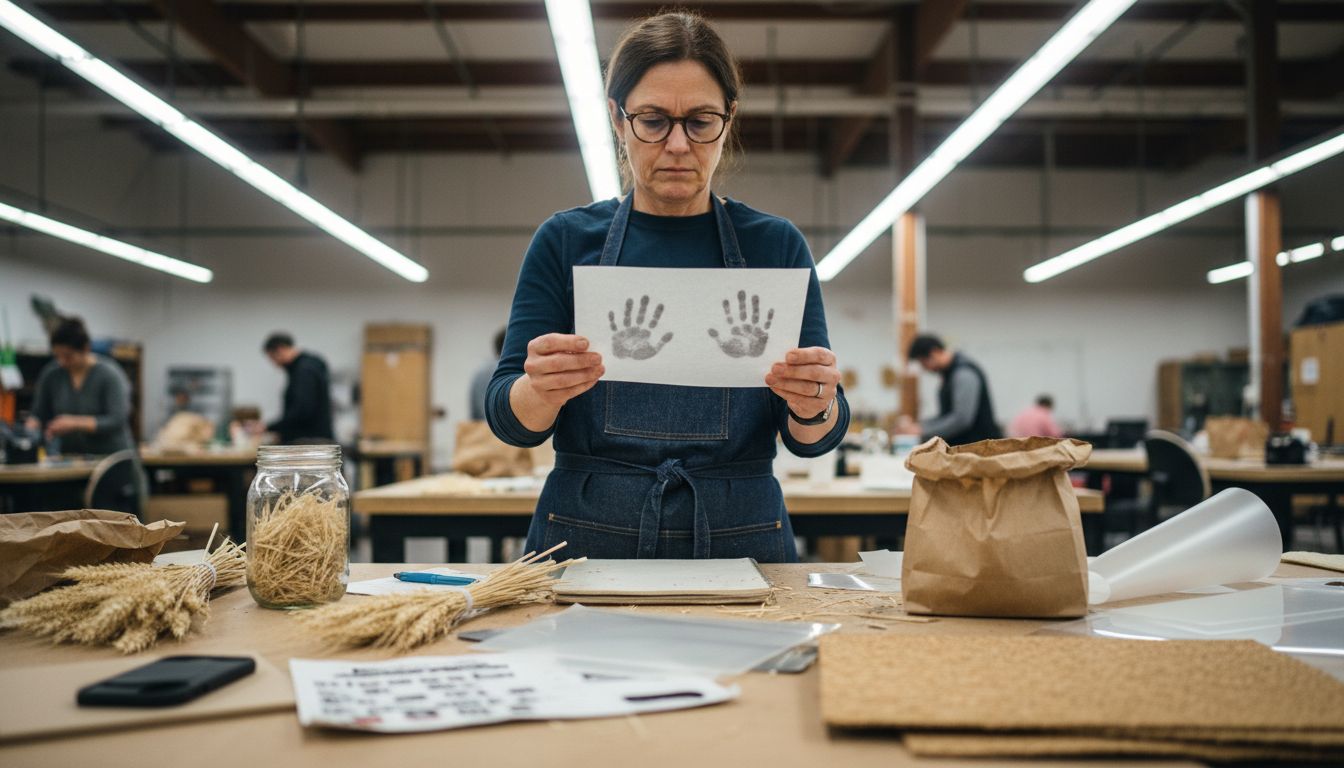
Manufacturers employ sophisticated engineering techniques to transform these raw materials into high-performance protective accessories. The production process involves carefully calibrated molecular structures that allow for rapid decomposition in industrial composting facilities. Notably, these cases must meet stringent certification standards, which require complete biodegradation within 180 days and the absence of toxic residues. This meticulous approach ensures that the environmental benefits are not merely theoretical but practically achievable.
Key materials used in compostable phone case design include:
-
Corn starch-based polymers
-
Bamboo fiber composites
-
Polybutylene adipate terephthalate (PBAT)
-
Plant-based polyurethane
-
Hemp-derived cellular structures
By leveraging these advanced materials, manufacturers can create phone cases that protect devices while simultaneously supporting global sustainability initiatives, offering consumers an environmentally responsible alternative to traditional plastic accessories.
How Composting Works for Phone Cases
Compostable phone cases undergo a sophisticated breakdown process that transforms these electronic accessories into environmentally beneficial materials. Unlike traditional plastic cases that persist in landfills for centuries, compostable phone cases are engineered to decompose completely through controlled biological processes. Compostable cases from sustainable manufacturers require specific environmental conditions to initiate their biodegradation, typically involving industrial composting facilities with precisely regulated temperature, humidity, and microbial activity.
The composting mechanism relies on microorganisms like bacteria and fungi that systematically break down organic materials. These microscopic decomposers consume the case’s molecular structure, gradually converting complex polymers into simple organic compounds. Temperature plays a crucial role in this process, with industrial composting environments maintaining consistent heat between 130 and 160 degrees Fahrenheit. These elevated temperatures accelerate molecular breakdown, enabling complete case disintegration within approximately 180 days compared to years or decades required by traditional plastic materials.
Consumers must understand that home composting differs significantly from industrial composting requirements. Most compostable phone cases cannot decompose effectively in backyard compost bins due to insufficient heat and microbial diversity. Proper disposal necessitates specialized industrial composting facilities equipped with the right environmental conditions to facilitate complete material transformation. This means users should carefully follow manufacturer guidelines, typically involving dropping off the case at designated municipal or commercial composting centers that can manage complex biodegradable materials.
Key steps in the composting process for phone cases include:
-
Collection at specialized composting facilities
-
Shredding of case materials
-
Controlled temperature management
-
Microbial enzymatic breakdown
-
Transformation into nutrient-rich soil components
By understanding these intricate decomposition mechanisms, consumers can make informed decisions about sustainable electronic accessories and contribute meaningfully to reducing environmental waste.
Environmental Benefits and Real-World Impact
Compostable phone cases represent a critical innovation in reducing electronic waste and minimizing environmental degradation. By replacing traditional petroleum-based plastic accessories with biodegradable alternatives, these sustainable products significantly decrease the long-term ecological footprint associated with smartphone protection. Environmentally conscious phone accessories offer consumers a practical method to reduce plastic pollution while maintaining high-performance device protection.
The environmental impact extends far beyond simple waste reduction. Each compostable phone case prevents approximately 30 to 50 grams of non-biodegradable plastic from entering landfills and marine ecosystems. When properly composted, these cases break down into nutrient-rich soil components, effectively creating a circular economy model for electronic accessories. The transformation process eliminates harmful microplastics that typically persist in the environment for hundreds of years, offering a tangible solution to the growing global plastic pollution crisis.
Consumer adoption of compostable phone cases creates a cascading environmental benefit. As more individuals choose sustainable alternatives, manufacturers are incentivized to develop increasingly sophisticated biodegradable technologies. This market-driven approach accelerates innovation in eco-friendly materials, potentially inspiring similar sustainable solutions across multiple consumer electronics categories. The collective impact represents a powerful demonstration of how individual purchasing decisions can drive meaningful environmental change.
Key environmental advantages include:
-
Reduction of plastic waste in landfills
-
Elimination of microplastic generation
-
Lower carbon emissions during production
-
Support for circular economy principles
-
Minimal environmental contamination
By selecting compostable phone cases, consumers transform a simple accessory purchase into a meaningful contribution toward global sustainability efforts, proving that small individual choices can collectively create significant positive environmental impact.
Comparing Compostable vs. Traditional Phone Cases
Traditional phone cases and compostable phone cases represent fundamentally different approaches to smartphone protection, with significant variations in environmental impact, material composition, and long-term sustainability. While traditional cases are typically manufactured from petroleum-based plastics like polycarbonate and silicone, compostable phone cases utilize innovative organic materials designed to break down naturally without causing ecological harm. The core distinction lies in their end-of-life environmental consequences and manufacturing processes.
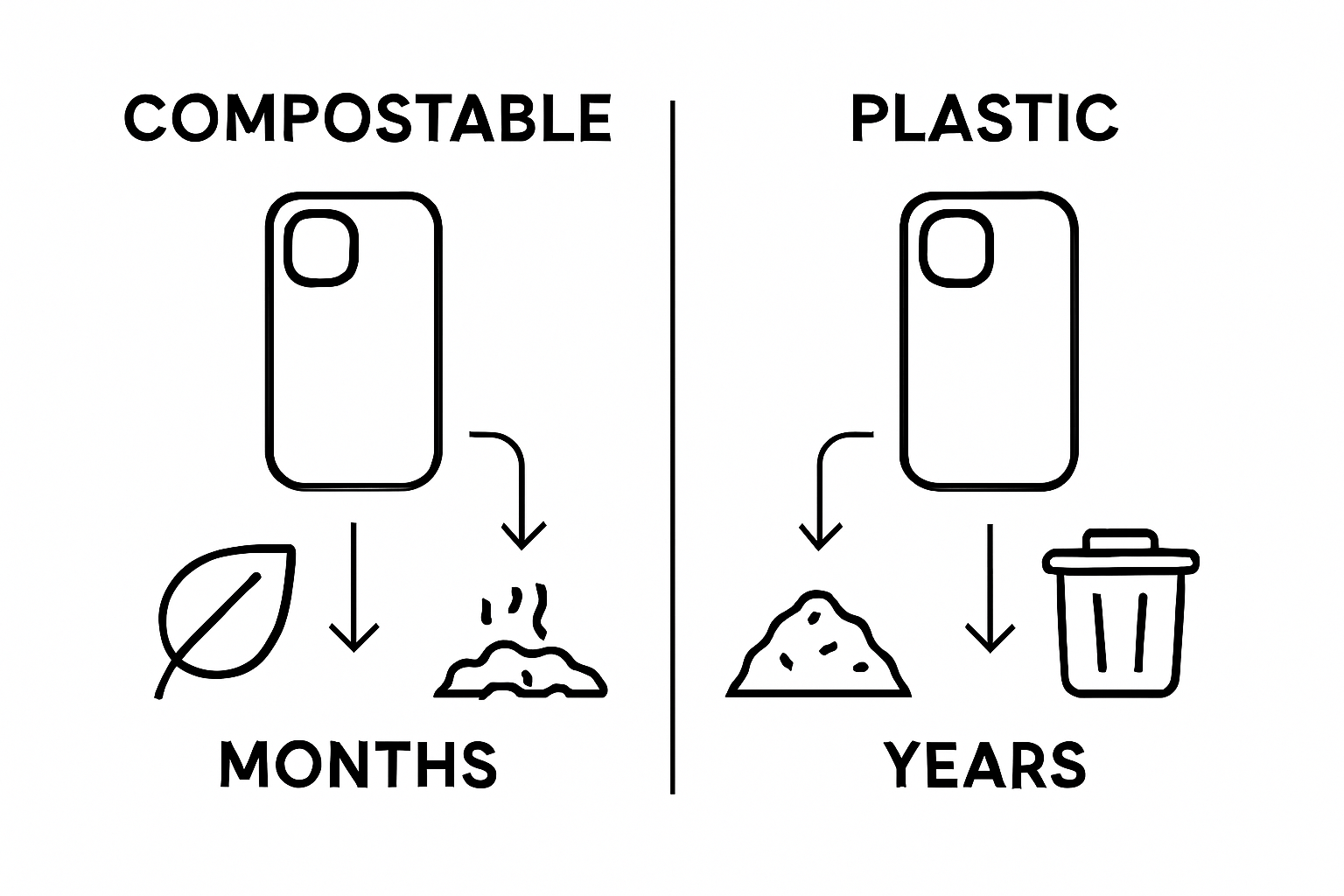
From a performance perspective, modern compostable phone cases have evolved to match or exceed the protective capabilities of traditional cases. Traditional plastic cases often provide robust shock absorption and impact resistance but create significant environmental challenges. These conventional cases can persist in landfills for hundreds of years, contributing to microplastic pollution and environmental degradation. In contrast, compostable cases are engineered to decompose completely within 180 days under industrial composting conditions, transforming into nutrient-rich organic matter without leaving toxic residues.
The manufacturing processes for these two case types reveal stark differences in environmental footprint. Traditional phone case production relies heavily on fossil fuel-based polymers, generating substantial carbon emissions and consuming non-renewable resources. Compostable phone cases, however, leverage renewable plant-based materials like corn starch, bamboo fiber, and specialized biodegradable polymers. This approach not only reduces carbon emissions but also supports a circular economy model that minimizes waste and promotes sustainable consumption.
Key comparative characteristics include:
-
Material Source:
-
Traditional: Petroleum-based plastics
-
Compostable: Plant-derived organic compounds
-
-
Environmental Impact:
-
Traditional: Centuries-long decomposition
-
Compostable: Complete breakdown within 180 days
-
-
Production Sustainability:
-
Traditional: High carbon emissions
-
Compostable: Reduced carbon footprint
-
-
End-of-Life Disposal:
-
Traditional: Landfill accumulation
-
Compostable: Biodegradable transformation
-
By understanding these fundamental differences, consumers can make informed choices that align with environmental responsibility while maintaining high-quality smartphone protection.
Choose Compostable Protection That Truly Matters
The challenge of finding a phone case that balances robust protection with genuine environmental responsibility is real. Many consumers feel stuck between damaging plastic options and less durable eco-friendly alternatives. Our Biodegradable Phone Case | Phone Case Collection – Tallpine Cases offers the perfect solution by using plant-based materials designed to compost fully without compromising device safety. Imagine a phone case that protects your phone and supports a cleaner planet through certified compostability and reduced plastic waste.
Discover unique, stylish designs that align with your values today and make an immediate environmental impact. Shop with confidence knowing every purchase from Tallpinecases.com supports carbon offset efforts and tree planting initiatives. Find the perfect fit for your device with options such as our collection of iPhone 13 Mini Cases – Tallpine Cases and start turning your everyday phone protection into a powerful sustainability statement. Act now to enjoy eco-friendly style and durability combined with exclusive offers and free shipping worldwide.
Frequently Asked Questions
What is a compostable phone case?
A compostable phone case is an eco-friendly phone accessory made from plant-based materials designed to break down naturally in composting environments, significantly reducing environmental waste compared to traditional plastic cases.
How do compostable phone cases decompose?
Compostable phone cases decompose through a biological process involving microorganisms like bacteria and fungi that break down organic materials. In industrial composting facilities, these cases can fully disintegrate within 180 days under controlled conditions.
Are compostable phone cases as protective as traditional plastic cases?
Yes, modern compostable phone cases offer protection comparable to traditional plastic cases, providing shock absorption, scratch resistance, and durability while being environmentally responsible.
What materials are used to make compostable phone cases?
Compostable phone cases are typically made from a blend of organic materials like corn starch, bamboo fiber, and biodegradable polymers such as polybutylene adipate terephthalate (PBAT), ensuring they are sturdy yet eco-friendly.